
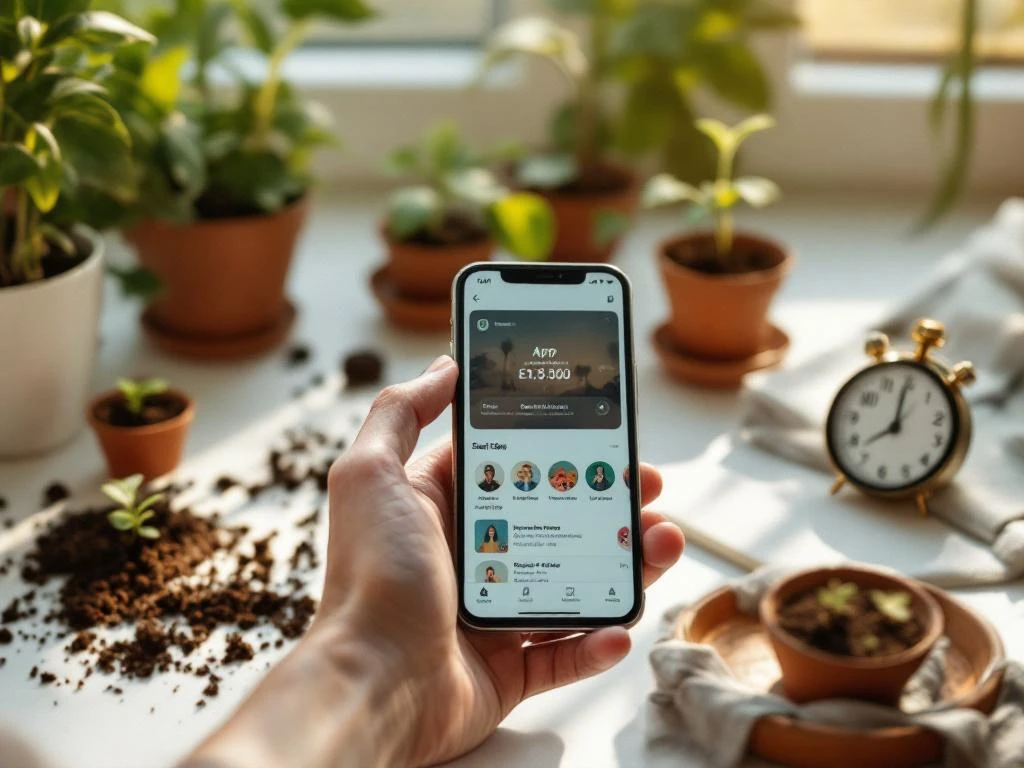
App Store Optimization typically shows initial results within 2–4 weeks for basic changes like title and description updates, while more significant improvements take 2–3 months. Quick wins appear faster, but sustainable growth requires consistent optimization over 6–12 months. The timeline depends on your app’s current performance, competition level, and the quality of the optimization changes implemented.
What is app store optimization and how does it work?
App Store Optimization (ASO) is the process of improving your app’s visibility and conversion rates in app stores like Google Play and the App Store. It works by optimizing the elements that influence how app store algorithms rank and display your app to potential users.
App store algorithms consider multiple factors when determining which apps to show for specific searches. Your app’s title and keywords help it appear in relevant searches, while your description, screenshots, and reviews influence whether users actually download your app once they find it.
The optimization process involves researching relevant keywords that your target audience uses when searching for apps like yours, then strategically placing those keywords in your app’s metadata — including the title, subtitle, and description. Visual elements like your app icon, screenshots, and preview videos also play an important role in attracting users and driving downloads.
When you make these improvements, app stores gradually recognize the changes and adjust your app’s visibility accordingly. The algorithms continuously evaluate performance metrics — such as download rates, user ratings, and retention — to determine how prominently to feature your app in search results and category listings.
How long does it typically take to see initial ASO results?
Most apps see initial ASO results within 2–4 weeks after implementing basic optimizations. Changes to your app title, keywords, and description typically show the fastest impact, often appearing in search results within days of app store approval.
The speed of results varies by the type of change:
- Metadata updates (title, keywords) can show immediate improvements in search visibility once your update goes live.
- Ranking improvements and organic download growth usually take longer, as app stores need time to process and evaluate the changes.
- Visual updates (screenshots, icon, preview video) typically take 1–2 weeks to show measurable impact on conversion rates, since you need enough user interactions to gather meaningful data.
Expect more substantial results after 4–8 weeks of consistent optimization. This timeframe gives app store algorithms enough time to fully recognize your improvements and adjust your app’s visibility. ASO is an ongoing process — the most significant gains come from sustained effort over several months, not one-time changes.
What factors affect how quickly your ASO improvements show results?
Two variables have the biggest influence on your ASO timeline: how competitive your app category is, and where your app currently stands in terms of ratings and downloads.
Category competition directly affects how long ranking improvements take. Apps in highly competitive categories like gaming or social networking face more resistance and typically need more time to gain ground. Less competitive niches often show faster results because there are fewer apps competing for the same keywords.
Your app’s current baseline matters just as much. Apps with existing positive ratings and solid download numbers tend to see faster results from optimization efforts. New apps or those with poor ratings need more time to build credibility with app store algorithms before improvements become visible.
Scope of your optimization changes also plays a role. Comprehensive improvements across multiple elements — title, description, screenshots, keywords — typically produce faster and more noticeable results than minor tweaks to a single component.
Finally, market conditions and seasonal trends can accelerate or delay results. Apps launching during peak download periods may gain traction faster, while those entering busy seasons may need longer to stand out. Your target audience’s behavior patterns and overall demand for your app category both influence how quickly optimization efforts translate into measurable growth.
What’s the difference between quick wins and long-term ASO growth?
Quick wins are immediate improvements that show results within days or weeks. Long-term growth requires strategic changes that build sustainable success over months of consistent effort. Both matter — and the strongest ASO strategies combine them.
Quick wins
Quick wins typically involve optimizing basic metadata elements like your app title, subtitle, and primary keywords. These changes can improve search visibility almost immediately after app store approval. Updating your description with relevant keywords and refining your short description can also deliver rapid discoverability gains.
On the visual side, updating your app icon or primary screenshots to better communicate your app’s value proposition can boost conversion rates quickly — because these changes immediately affect how users perceive your app in search results.
Long-term growth
Long-term ASO growth is about building sustainable momentum through consistent optimization and ongoing performance improvement. This includes developing a comprehensive keyword strategy, regularly testing and refining visual assets, and continuously improving your app based on user feedback to maintain high ratings.
Quick wins provide the foundation. Long-term growth strategies ensure your app continues to perform well as market conditions and competition evolve. Implement both in parallel: act on quick wins to see early results, while investing in the longer-term initiatives that create lasting competitive advantages.
How do you know if your app store optimization is actually working?
You can measure ASO success by tracking a core set of performance indicators. These metrics show whether your optimization efforts are producing meaningful results — and which changes are driving them.
- Organic downloads — the primary indicator of ASO effectiveness. Successful optimization leads to steady increases in downloads from app store searches, not paid advertising. Track this weekly and correlate changes with specific optimizations you’ve made.
- Keyword rankings — show whether your app is becoming more visible for relevant search terms. Rising rankings indicate your keyword strategy is working, even if download increases haven’t followed yet.
- Conversion rate — reveals how well your listing persuades visitors to download. Calculate it by dividing downloads by total page views. Improved screenshots, descriptions, or reviews should push this number up.
- Search impressions — show how often your app appears in search results. Increasing impressions signal better visibility; stable or declining impressions suggest your keyword strategy needs adjustment.
What should you realistically expect from your first 90 days of ASO?
The first 90 days follow a clear progression: month one is about implementation, month two shows early signals, and month three reveals whether your strategy is working.
Days 1–30: Laying the groundwork
Focus on implementing fundamental optimizations — keyword research, title updates, and description improvements. You may see small increases in search impressions, but substantial download growth typically hasn’t started yet. This period sets the foundation for what follows.
Days 31–60: First meaningful results
This is when organic downloads should start increasing and keyword rankings improve for less competitive terms. Conversion rate gains from visual optimizations often become apparent here, as you’ve gathered enough data to measure their impact.
Days 61–90: Validating your strategy
The final month reveals whether your ASO strategy is delivering sustainable results. You should see consistent organic download growth, better rankings for more competitive keywords, and improved overall app store visibility. This is when you can confidently assess which efforts are working and where to adjust.
Throughout these 90 days, maintain realistic expectations about growth rates. Results vary significantly based on competition and your starting performance. If you’re working with professional App Store Optimization services, you can expect more strategic implementation and potentially faster results — backed by expert knowledge and proven methodologies.
Frequently Asked Questions
What should I do if I don't see any ASO results after 4 weeks?
If you haven’t seen results after 4 weeks, first verify that your app update was approved and changes are live in the store. Review your keyword strategy to ensure you’re targeting realistic, relevant terms rather than overly competitive ones. Consider adjusting your visual elements like screenshots or app icon, and make sure you’re tracking the right metrics — sometimes improvements in impressions or keyword rankings precede download increases.
How often should I update my app's ASO elements?
Update your ASO elements every 4–6 weeks for optimal results, but avoid making too many changes simultaneously as this makes it difficult to measure what’s working. Focus on one major element per update cycle — such as keywords one month, then screenshots the next. Monitor performance for at least 2 weeks after each change before making additional modifications.
Can I speed up ASO results by making more frequent updates?
Making more frequent updates won’t necessarily speed up results and can actually hurt your progress. App stores need time to process changes and gather performance data. Over-optimizing can confuse algorithms and make it impossible to identify which changes are effective. Stick to a consistent schedule and allow each optimization adequate time to show its impact.
What's the biggest mistake that slows down ASO progress?
The biggest mistake is targeting keywords that are too competitive for your app’s current authority level. New or low-performing apps should focus on long-tail, less competitive keywords first to build momentum. Trying to rank for highly competitive terms too early often results in no visible progress and wasted optimization efforts.
How do I maintain ASO momentum after the initial 90-day period?
Maintain momentum by continuously monitoring competitor strategies, regularly refreshing visual assets based on performance data, and expanding your keyword portfolio as your app gains authority. Implement A/B testing for screenshots and descriptions, respond to user reviews to maintain high ratings, and stay updated with app store algorithm changes that might affect your strategy.
Should I focus on Google Play or Apple App Store first for ASO?
Focus on the platform where your target audience is most active. If you’re unsure, start with Google Play — it typically shows ASO results faster due to more frequent algorithm updates. Apple App Store changes take longer to reflect but often provide more stable, long-term results. If possible, optimize both simultaneously using platform-specific best practices.
What budget should I expect for effective ASO tools and resources?
Budget $50–200 monthly for essential ASO tools like App Annie, Sensor Tower, or Mobile Action for keyword tracking and competitor analysis. Add $500–2,000 monthly if hiring professional ASO services. Many effective optimizations can be done manually with free tools initially, but paid tools become valuable for scaling and advanced competitor research as your app grows.
Related Articles
- 5 signs you need one view of your app's ad performance
- 6 ways to future-proof your app measurement setup
- What causes unattributed app installs?
- How long does it take to see results when you advertise an app?
- What platforms should you use to advertise your mobile app?
- What is deep linking and why does it matter for app advertising?
- What is the difference between iOS and Android A/B testing options?
- What are app store creatives?
- What is app store optimization?
- What does ASO stand for in online marketing?

 EN
EN  NL
NL