
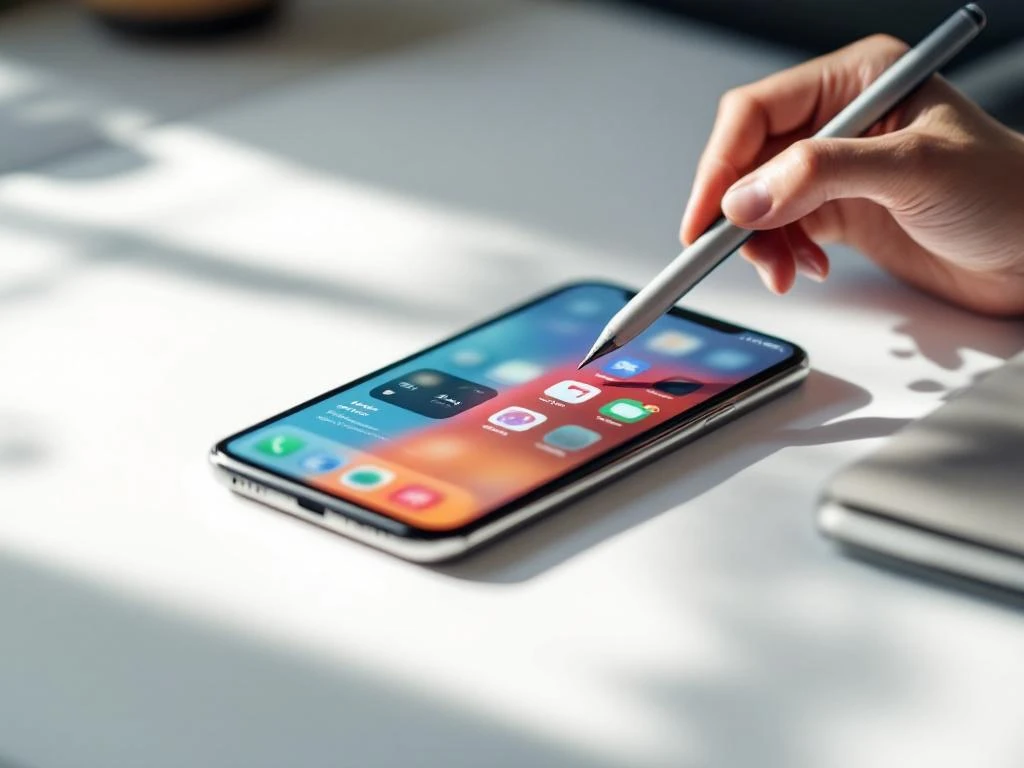
App title optimization involves strategically crafting your app’s name to include relevant keywords while maintaining brand recognition and user appeal. The title should clearly communicate your app’s purpose, incorporate high-value search terms, and follow platform-specific guidelines for character limits and formatting. Effective titles balance discoverability with memorability, helping users find and remember your app among millions of competitors.
How to Optimize Your App Title: A Step-by-Step Process
Whether you’re launching a new app or re-optimizing an existing one, following a structured process ensures you make informed decisions at every stage. The steps below take you from defining your value proposition all the way through to iterating based on real performance data.
-
Step 1: Define your app’s core value proposition in one sentence. Start by articulating exactly what your app does and who it’s for in a single, clear sentence. This becomes your guiding filter for every keyword and phrasing decision that follows — if a term doesn’t reflect that value proposition, it doesn’t belong in your title.
-
Step 2: Conduct keyword research using App Store autocomplete and competitor analysis. Next, open the App Store and Google Play search bars and note the autocomplete suggestions for terms related to your app’s function. Cross-reference these with the titles of your top competitors to identify high-frequency keywords, and prioritize terms that are both relevant to your app and realistically attainable given your current ranking authority.
-
Step 3: Map keywords to your available character budget per platform. Once you have a shortlist of target keywords, match them against the character limits you’re working within — 30 characters for iOS and 50 characters for Google Play. Rank your keywords by importance and assign your highest-priority term to the iOS title, then expand with secondary keywords for your Google Play version where the extra space allows.
-
Step 4: Draft 3–5 title variations following platform-specific structures. Write several candidate titles for each platform, experimenting with different keyword placements, brand name positions, and descriptive approaches. A common structure is “Brand Name: Primary Keyword” for iOS, and “Brand Name: Primary Keyword + Secondary Keyword” for Google Play — but test alternatives to find what resonates best with your specific audience.
-
Step 5: Publish and monitor performance for 2–4 weeks. After publishing your chosen title, give the app stores time to re-index the change before drawing conclusions. Track your keyword rankings, search impression volume, and tap-through rates during this window using an ASO monitoring tool to establish a reliable performance baseline.
-
Step 6: Iterate based on ranking and conversion data. Use the data collected to identify whether your title change improved discoverability and conversion rates. If rankings for your target keywords improved but conversion dropped, the title may need clearer user-facing language. Refine and repeat the process — effective ASO is iterative, not a one-time task.
This process applies equally to new app launches and to existing apps that haven’t yet been optimized. Starting with a clear value proposition and grounding every decision in keyword data ensures your title works harder across both platforms.
What makes an app title effective for App Store Optimization?
An effective app title combines your brand name with relevant keywords that users actually search for. The most successful titles clearly describe what the app does while incorporating terms that match user search behavior. This approach helps your app appear in relevant searches while building brand recognition.
Your app title serves as the primary signal to both users and app store algorithms about your app’s purpose. Keyword integration should feel natural rather than forced, maintaining readability while improving discoverability. The title needs to work for both human users browsing the store and algorithmic systems that determine search rankings.
Brand recognition plays an important role in title effectiveness. If you have an established brand, leading with your brand name can improve conversion rates when users recognize and trust your company. For newer apps, leading with descriptive keywords often performs better for discovery, with the brand name following after.
User appeal depends on clarity and relevance. Your title should immediately communicate the app’s value proposition without requiring users to guess what the app does. Avoid clever wordplay or abstract names that might confuse potential users about your app’s functionality.
How do you choose the right keywords for your app title?
Start by researching terms your target audience uses when searching for apps like yours. Look at competitor titles to identify common keywords, but focus on terms that accurately describe your app’s unique features and benefits. The most valuable keywords balance search volume with relevance to your specific functionality.
Analyze competitor titles in your category to understand keyword patterns and identify opportunities. Notice which terms appear frequently among successful apps, but avoid copying titles directly. Instead, find gaps where you can differentiate while still using relevant search terms.
Consider user search behavior when selecting keywords. People often search for solutions rather than specific app names, using terms like “budget tracker” or “photo editor” rather than brand names. Search volume research helps identify which terms users actually type into app store search bars.
Test different keyword combinations to find the most effective approach. You might discover that slightly less popular keywords with lower competition perform better than highly competitive terms. Focus on keywords that accurately represent your app’s core functionality rather than trying to capture every possible search term.
Remember that keyword effectiveness varies by market and language. Research local search patterns if you’re targeting specific geographic regions, as search behavior differs across markets and cultures.
What’s the difference between iOS and Android app title optimization?
iOS App Store titles are limited to 30 characters, requiring concise keyword integration, while Google Play Store allows up to 50 characters, providing more space for descriptive terms. This difference significantly impacts how you structure your title and which keywords you can include effectively.
| Feature | iOS App Store | Google Play Store |
|---|---|---|
| Title character limit | 30 characters | 50 characters |
| Title keyword indexing weight | High — primary ranking signal | High — combined with description |
| Subtitle available | Yes, 30 characters, indexed | No direct equivalent (short description serves a similar role) |
| Hidden keyword field | Yes, 100 characters | No |
| Recommended title structure | Brand: Primary Keyword | Brand: Primary Keyword + Secondary Keyword |
| Keyword repetition rule | Avoid repeating title keywords in keyword field | Avoid keyword stuffing in title |
The strategic implication is straightforward: iOS requires tighter prioritization due to the character limit, while Google Play rewards more descriptive, natural-language titles. Plan your keyword strategy for each platform separately rather than applying a single title across both stores.
The App Store places more weight on keywords in the title for search rankings, making every character valuable. You need to prioritize your most important keywords and often choose between brand name prominence and keyword inclusion. The shorter limit forces more strategic decisions about what to include.
Google Play Store’s longer character limit allows for more descriptive titles that can include additional keywords naturally. However, this doesn’t mean you should use all available characters—clarity and readability remain important for user appeal and conversion rates.
Keyword placement strategies differ between platforms. iOS titles benefit from front-loading the most important keywords, while Google Play allows for more natural language flow that can improve user understanding and appeal.
Both platforms consider title keywords for search rankings, but they weight other factors differently. iOS relies more heavily on the separate keyword field, while Google Play puts more emphasis on the title and description for search visibility.
How do you test and improve your app title performance?
Monitor your app’s search rankings for target keywords and track how title changes affect discoverability and conversion rates. Most app store optimization tools provide ranking data that shows how your title performs for specific search terms over time.
A/B testing different title variations helps identify which approaches work best for your specific app and audience. You can test different keyword combinations, brand name placement, and descriptive approaches to find the most effective format.
Track key metrics including search impression volume, tap-through rates from search results, and conversion rates from app store visits. These metrics help you understand whether your title changes improve both discoverability and user appeal.
Performance monitoring should focus on organic download growth and keyword ranking improvements. Changes in these metrics indicate whether your title optimization efforts are working effectively.
Regular optimization based on performance data helps maintain and improve your app’s visibility. App store algorithms and user search behavior evolve, so periodic title refinements keep your optimization current and effective.
What common app title mistakes should you avoid?
Keyword stuffing makes titles unreadable and can hurt both user appeal and app store rankings. Cramming too many keywords into your title creates a poor user experience and signals to app stores that you’re trying to manipulate search results rather than provide clear information.
Misleading titles that don’t accurately represent your app’s functionality damage user trust and lead to poor reviews. Users who download your app based on an inaccurate title will likely feel deceived and leave negative feedback, hurting your overall app store performance.
Brand confusion occurs when your title doesn’t clearly identify your app or company, making it difficult for users to find you again or recommend your app to others. Consistency across your marketing materials and app store presence builds recognition and trust.
Generic titles that could apply to dozens of similar apps fail to differentiate your offering. Terms like “Best App” or “Super Tool” provide no specific information about functionality and don’t help users understand what makes your app unique.
Ignoring platform-specific requirements leads to truncated titles or missed optimization opportunities. Each app store has different character limits and ranking factors, so your title strategy should account for these platform differences.
If you need comprehensive support with your app title optimization and broader App Store Optimization strategy, we offer specialized App Store Optimization services that help maximize your app’s visibility and conversion rates across both iOS and Android platforms.
Frequently Asked Questions
How often should I update my app title for optimization?
You should review your app title every 3-6 months or when you notice declining search performance. Avoid making frequent changes as app stores need time to index updates, and constant changes can confuse users who are familiar with your current title. Focus on data-driven updates based on keyword performance and ranking changes rather than making arbitrary adjustments.
Can I use special characters or emojis in my app title?
While both iOS and Google Play technically allow some special characters, it’s generally best to avoid them as they can cause display issues and don’t contribute to keyword optimization. Emojis may appear differently across devices and can take up valuable character space. Stick to standard alphanumeric characters, spaces, and basic punctuation for maximum compatibility and clarity.
What should I do if my ideal keywords make my title too long?
Prioritize your most important 1-2 keywords that best represent your app’s core function, and consider using abbreviations or shorter synonyms where appropriate. For iOS, focus on the highest-impact terms within the 30-character limit, then use the separate keyword field for additional terms. Remember that a clear, readable title often performs better than one stuffed with keywords.
How do I handle app title optimization for multiple languages and regions?
Research local search behavior and popular keywords in each target market, as direct translations often don’t capture local search patterns. Consider cultural preferences and local competitors when crafting titles for different regions. Use native speakers or local market research to ensure your translated titles sound natural and include relevant local search terms.
Should I include my app version or year in the title?
Generally avoid including version numbers or years in your app title as they take up valuable character space and become outdated quickly. This information belongs in your app description or version notes instead. Focus your title on timeless keywords and branding that won’t require frequent updates and provide lasting search value.
What's the best way to incorporate my brand name without sacrificing keyword optimization?
If you have strong brand recognition, lead with your brand name followed by descriptive keywords. For newer apps, consider placing 1-2 key functional keywords first, then your brand name. You can also integrate your brand naturally into a descriptive phrase, like ‘TaskMaster: Project Management’ rather than forcing separate elements together.
How do I know if my title changes are actually improving performance?
Track organic download growth, search ranking positions for your target keywords, and conversion rates from app store visits before and after title changes. Use ASO tools to monitor keyword rankings and give changes at least 2-4 weeks to see meaningful results. Focus on sustained improvements in visibility and downloads rather than short-term ranking fluctuations.
Related Articles
- 4 signs your app's web-to-app handoff is leaking users
- Why is my iOS attribution data inaccurate?
- How do you advertise an app on a limited budget?
- What is attribution tracking in mobile app advertising?
- 9 proven ways to advertise your app and boost downloads
- How do you advertise an app using Apple Search Ads?
- How do you advertise an app to target high-intent users?
- How do you respond to negative app store reviews?
- How do you write an app store description that converts?
- 6 app store metadata optimization tips for iOS and Android

 EN
EN  NL
NL