

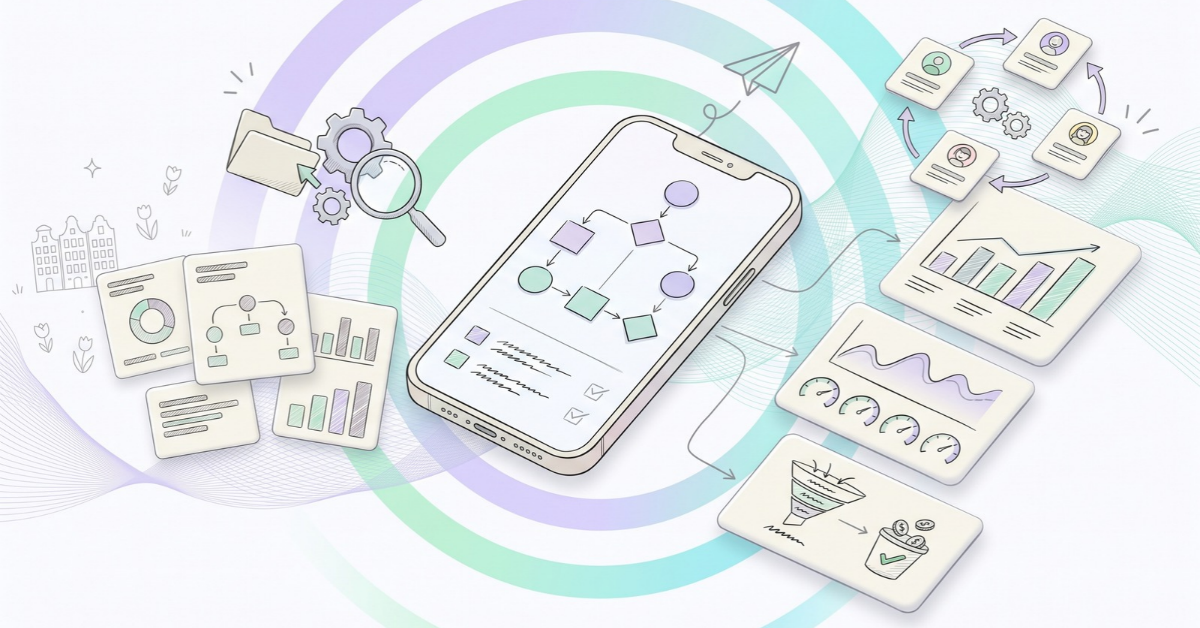
App Store Optimization (ASO) is the process of improving your mobile app’s visibility and conversion rates within app stores like Apple’s App Store and Google Play. It involves optimizing various elements of your app listing, including keywords, visuals, and descriptions, to increase organic downloads. ASO helps your app rank higher in search results and appear in relevant browsing categories, making it easier for potential users to discover and download your app.
What exactly is app store optimization and how does it work?
App Store Optimization is the practice of refining your app’s store listing to improve its discoverability and appeal to potential users. It works by aligning your app’s metadata, visuals, and content with both app store algorithms and user search behavior.
App stores use complex algorithms to determine which apps appear in search results and category rankings. These algorithms consider factors like keyword relevance, download velocity, user ratings, and engagement metrics. When you optimize your app listing, you’re essentially speaking the language that both the algorithm and your target users understand.
The process involves researching how your audience searches for apps, identifying relevant keywords, and strategically implementing these terms throughout your listing. You also need to create compelling visuals and descriptions that convince users to download your app once they find it. This dual focus on discoverability and conversion makes ASO different from traditional SEO.
Why does app store optimization matter for your mobile app?
ASO matters because organic discovery drives the majority of app downloads and provides sustainable growth without ongoing advertising costs. Users trust organic search results more than paid advertisements, leading to higher-quality downloads and better long-term retention.
Without proper optimization, your app becomes invisible among millions of competitors. Even the most innovative app will struggle if users can’t find it. ASO levels the playing field, allowing smaller developers to compete with larger companies through strategic optimization rather than just marketing budgets.
The benefits extend beyond just downloads. Well-optimized apps typically see improved user quality because the optimization process naturally filters for users who are genuinely interested in your app’s functionality. This leads to better reviews, higher engagement rates, and improved lifetime value per user.
ASO also provides valuable market insights. The keyword research and competitor analysis involved in optimization help you understand your market better, inform product development decisions, and identify new opportunities for growth.
What are the main elements you can optimize in your app store listing?
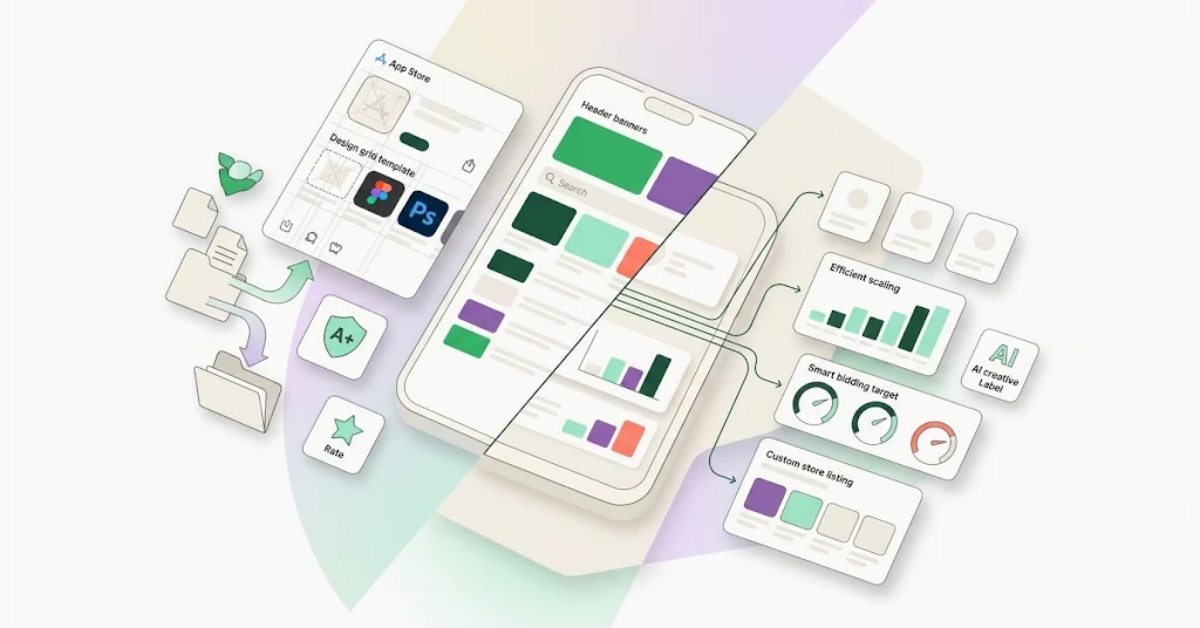
The key optimizable elements include your app title, subtitle, keyword field, description, screenshots, app icon, and preview videos. Each element serves a specific purpose in both algorithm ranking and user conversion.
Your app title and subtitle carry the most weight for search rankings. They should include your most important keywords while clearly communicating your app’s value proposition. The app icon needs to be distinctive and recognizable at small sizes, as it’s often the first visual element users notice.
Screenshots and preview videos serve as your app’s sales pitch. They should showcase key features and benefits in a visually appealing way that encourages downloads. The first screenshot is particularly important, as it appears in search results.
Your app description provides space for additional keywords and detailed feature explanations. While it has less direct impact on search rankings, it significantly influences conversion rates. User ratings and reviews, though not directly controllable, can be influenced through good user experience and strategic review management.
Category selection and pricing also impact visibility. Choosing the right category ensures your app appears in relevant browsing sections, while competitive pricing strategies can influence download decisions.
How do you choose the right keywords for app store optimization?
Effective keyword selection starts with understanding how your target users actually search for apps like yours. You need to balance search volume with competition levels to find keywords where you can realistically rank well.
Begin by brainstorming seed keywords related to your app’s core functionality. Then expand this list by analyzing competitor keywords, exploring related search terms, and considering different ways users might describe your app’s benefits. Tools can help, but manual research often reveals the most valuable insights.
Consider the search intent behind different keywords. Some users search for specific solutions (“budget tracker”), while others use broader terms (“finance app”). Long-tail keywords often provide better opportunities for new apps because they’re less competitive while still attracting motivated users.
Test and refine your keyword strategy based on performance data. App store algorithms respond to user behavior, so keywords that drive engaged downloads will typically improve your rankings over time. Monitor your keyword rankings and adjust your strategy based on what’s working.
Remember that keyword research is ongoing. User language evolves, new competitors emerge, and market trends shift. Regular keyword audits ensure your optimization remains effective as conditions change.
What’s the difference between ASO for iOS and Android apps?
iOS and Android optimization differ significantly in their approaches and available tools. Apple’s App Store uses a dedicated keyword field, while Google Play relies more heavily on your app description for keyword discovery.
Apple provides a 100-character keyword field where you can include relevant terms separated by commas. This field is invisible to users but crucial for search rankings. Google Play doesn’t have this feature, so you need to naturally incorporate keywords throughout your description text.
The visual elements also work differently. Apple allows up to 10 screenshots, while Google Play permits up to 8. Google Play offers additional promotional graphics like feature graphics and promotional videos that don’t exist in the App Store.
User behavior varies between platforms too. Android users tend to read descriptions more thoroughly, while iOS users often make quicker decisions based on visuals and ratings. This affects how you should structure and prioritize your optimization efforts.
Update frequencies and approval processes differ as well. Google Play updates appear almost immediately, allowing for rapid testing and iteration. Apple’s review process takes longer, requiring more strategic planning for optimization changes.
How long does it take to see results from app store optimization?
Most apps see initial ASO results within 2–4 weeks of implementing optimizations, but significant improvements typically require 2–3 months of consistent effort. The timeline depends on your app’s current performance, competition levels, and optimization quality.
Quick wins often come from fixing obvious issues like missing keywords or poor screenshots. These changes can improve rankings within days. However, building sustained organic growth through ASO requires patience and ongoing refinement.
Several factors influence how quickly you’ll see results. New apps generally take longer to gain traction because they lack download history and user reviews. Apps in competitive categories need more time to establish authority, while those in niche markets might see faster improvements.
The most important factor is user response to your optimizations. If your changes lead to higher conversion rates and better user engagement, app store algorithms will gradually improve your rankings. This creates a positive feedback loop where better optimization leads to more downloads, which leads to better rankings.
Remember that ASO is not a one-time activity. Markets evolve, competitors adjust their strategies, and user preferences change. Continuous optimization ensures your app maintains and improves its performance over time. We’ve found that apps with ongoing ASO efforts consistently outperform those that optimize once and then forget about it.
Frequently Asked Questions
What's the biggest mistake new developers make when starting ASO?
The most common mistake is keyword stuffing – cramming too many irrelevant keywords into the title and description. This actually hurts rankings because app stores prioritize relevance and user experience. Focus on 3-5 highly relevant keywords that accurately describe your app’s core functionality rather than trying to rank for everything.
How often should I update my app store listing for optimal results?
Update your listing every 4-6 weeks based on performance data, but avoid making too many changes at once. Test one element at a time (like screenshots or description) so you can measure what actually improves your metrics. Major updates should align with app version releases to maximize their impact.
Can I do ASO effectively without paid tools, or are they necessary?
You can achieve solid ASO results using free methods like manual competitor research, analyzing top-ranking apps, and using basic analytics from app store consoles. However, paid tools significantly speed up keyword research and provide deeper insights into competitor strategies, making them worthwhile for serious optimization efforts.
What should I do if my app rankings suddenly drop after an update?
First, check if you introduced any technical issues or changed core keywords dramatically. Roll back problematic changes if possible, then gradually reintroduce optimizations one at a time. Monitor user reviews for clues about what might be causing the drop, and ensure your app’s functionality matches its store listing promises.
How do I optimize for voice search and emerging search behaviors?
Focus on natural language keywords and phrases people actually speak, like u0022find a good fitness appu0022 instead of just u0022fitness.u0022 Include question-based keywords in your description and consider how users might ask Siri or Google Assistant to find apps like yours. Long-tail, conversational keywords are becoming increasingly important.
Should I localize my ASO efforts for different countries and languages?
Absolutely, if you’re targeting international markets. Each country has unique search behaviors, popular keywords, and cultural preferences for app visuals. Start with major markets like the UK, Canada, or Australia for English localization, then expand to other languages based on your user data and growth priorities.
What's the best way to encourage more positive reviews without violating store policies?
Focus on timing your review requests strategically – ask after users complete a positive action in your app, not immediately after download. Provide excellent customer support to resolve issues before they become negative reviews, and consider implementing in-app feedback systems to catch problems early. Never incentivize reviews with rewards, as this violates store policies.
Related Articles
- 4 reasons your app retargeting ads underperform
- Branch vs AppsFlyer: app deep linking compared
- What are the most common mistakes when advertising apps?
- How do you advertise an app to improve conversion rates?
- What is the difference between iOS and Android A/B testing options?
- How do you measure app store optimization success?
- Does the what's new section impact app store optimization?
- What are long-tail keywords in app store optimization?
- How many screenshots should you have on your app store listing?
- What is app store reputation management?

 EN
EN  NL
NL