

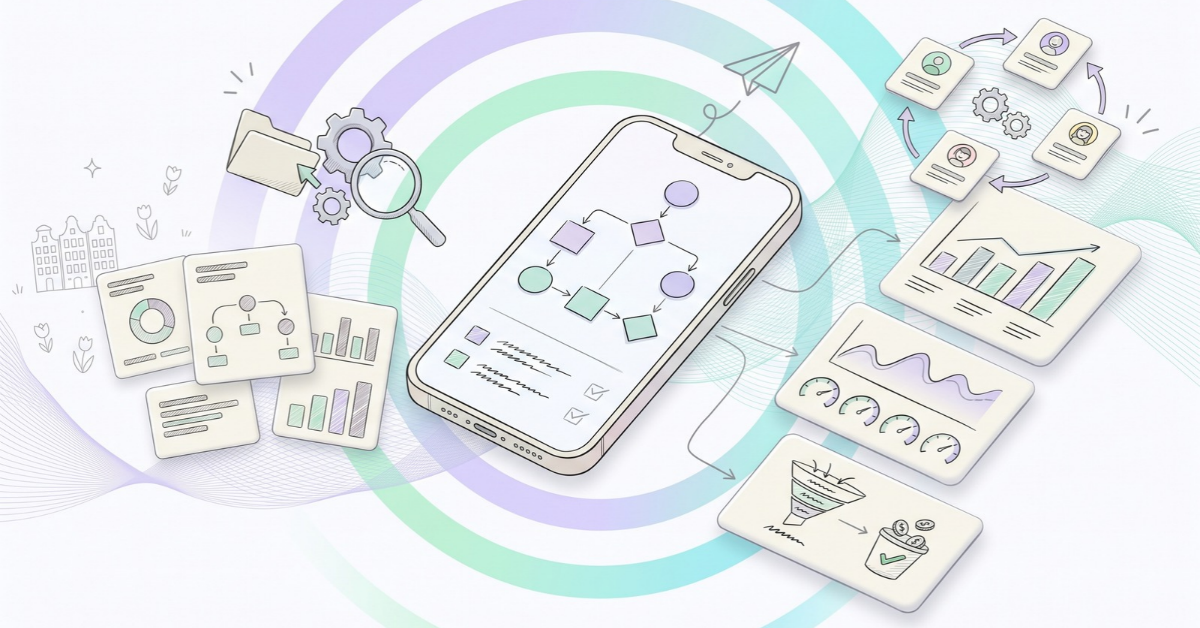
When you advertise your app effectively, you can significantly boost conversion rates by reaching the right users with compelling messages at the optimal moments. App advertising conversion rates depend on choosing the right platforms, crafting targeted campaigns, and optimizing every touchpoint, from ad creative to your app store listing. The key is creating a seamless journey that guides potential users from seeing your ad to downloading and engaging with your app.
Success in app advertising requires a strategic approach that combines platform expertise, audience targeting, creative optimization, and data-driven decision-making. Let’s explore how you can maximize your app’s conversion potential through smart advertising strategies.
What does app advertising mean for conversion rates?
App advertising directly impacts conversion rates by determining how many people who see your ads actually download and use your app. Conversion rates in app advertising typically measure the percentage of users who complete desired actions, from clicking your ad to installing your app and taking specific in-app actions.
Different stages of the user journey have their own conversion metrics. Click-through rates measure how many people click your ads after seeing them, while install rates show how many clicks result in actual downloads. Post-install conversion rates track actions like account creation, a first purchase, or a subscription sign-up.
Your advertising approach affects each conversion stage differently. Well-targeted ads improve click-through rates by reaching users genuinely interested in your app category. Compelling ad creative increases install rates by clearly communicating your app’s value. Smart onboarding flows boost post-install conversions by guiding new users to meaningful actions quickly.
Which advertising platforms work best for app conversions?
Apple Search Ads and Google Ads App campaigns consistently deliver the highest conversion rates for app advertising because they target users actively searching for apps or already browsing app stores. These platforms capture high-intent users at the moment they’re ready to discover new apps.
Apple Search Ads excels for iOS apps by placing your app directly in App Store search results. Users clicking these ads are already in download mode, leading to conversion rates often two to three times higher than on other platforms. Google Ads App campaigns automatically optimize across Google’s entire network, including Search, Play Store, YouTube, and Display.
Social media platforms like Meta and TikTok work better for awareness- and engagement-focused campaigns. While their conversion rates may be lower initially, they excel at reaching broader audiences and driving discovery among users who weren’t actively searching for apps. The key is matching platform strengths to your campaign objectives and user acquisition goals.
How do you optimize app store listings for better conversions?
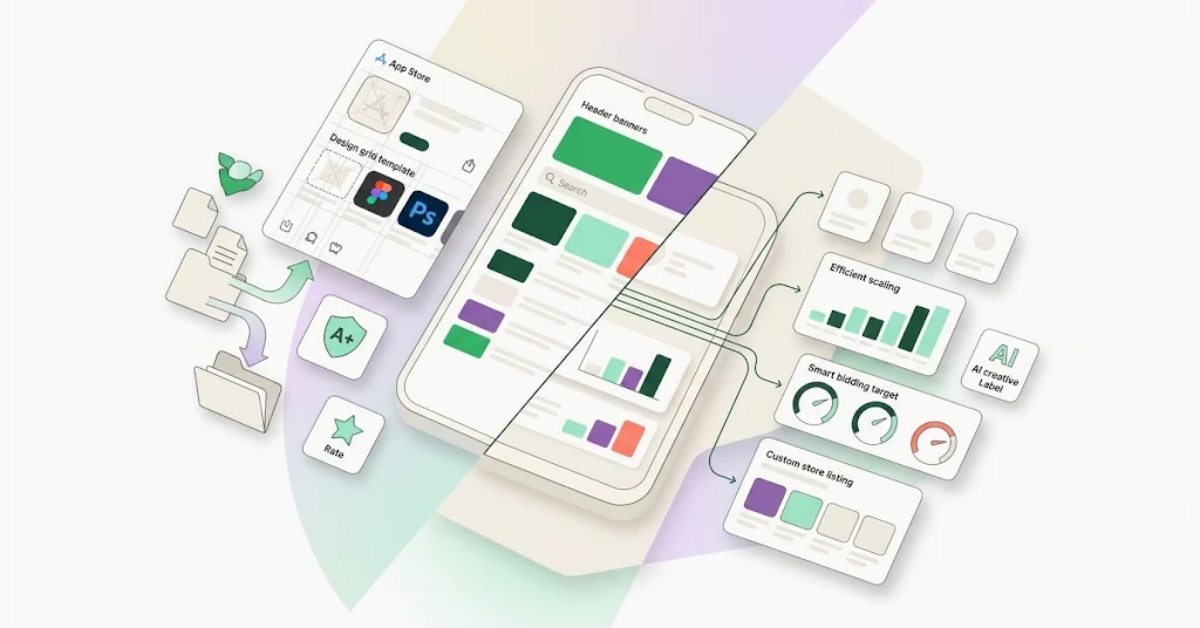
App Store Optimization improves conversion rates by making your app more discoverable and compelling when users find it. Focus on optimizing your app title, description, keywords, screenshots, and preview videos to clearly communicate your app’s value and encourage downloads.
Your app title and subtitle should include relevant keywords while clearly explaining what your app does. Write descriptions that highlight the key benefits and features users care about most. Use bullet points or short paragraphs to make information scannable, as many users quickly skim before deciding to download.
Visual elements often determine conversion success. Create screenshots that showcase your app’s best features and user interface. Include captions explaining key benefits. Design an engaging app icon that stands out in search results and category listings. Consider A/B testing different creative combinations to identify which versions drive the highest conversion rates.
What targeting strategies improve app advertising conversion rates?
Lookalike targeting based on your highest-value existing users typically produces the best conversion rates because it finds people with characteristics and behaviors similar to those of users who already engage with your app successfully.
Demographic and interest targeting work well when combined with behavioral signals. Target users who have recently downloaded similar apps or engaged with competitor content. Geographic targeting helps focus budgets on regions where your app performs best or where you have specific business objectives.
Custom audiences let you retarget users who previously interacted with your brand but haven’t installed your app yet. Create separate campaigns for different user segments, such as people who visited your website, engaged with your social media, or abandoned the app store listing without downloading. Tailor messaging to each segment’s familiarity level with your brand.
How do you measure and track app advertising conversions?
Mobile measurement partners like Adjust, AppsFlyer, and Branch provide comprehensive tracking for app advertising conversions by connecting ad clicks to app installs and post-install events. These platforms use device fingerprinting and deterministic matching to accurately attribute conversions across different advertising channels.
Set up conversion tracking for multiple events beyond just installs. Track meaningful actions like account registration, a first purchase, subscription sign-up, or reaching specific app milestones. This data helps you understand which advertising sources deliver users who actually engage with your app long-term.
Create custom dashboards that show conversion performance across different dimensions. Monitor conversion rates by traffic source, creative variation, audience segment, and geographic region. Use cohort analysis to understand how conversion rates change over time and identify which user acquisition channels provide the best lifetime value.
What creative elements drive higher app conversion rates?
Video ads consistently outperform static images for app advertising conversions because they can demonstrate your app in action and show real user interfaces. Create short videos that highlight key features, show smooth user flows, and communicate your app’s core value proposition within the first few seconds.
User-generated content and testimonials build trust and social proof, leading to higher conversion rates. Feature real users explaining how your app solved their problems or improved their lives. Include authentic screenshots of positive reviews or ratings from app stores to reinforce credibility.
Strong calls to action guide users toward conversion. Use action-oriented language like “Download now,” “Start your free trial,” or “Get instant access” rather than generic phrases. Test different CTA buttons, colors, and placements to find combinations that drive the most downloads.
If you’re ready to take your app advertising to the next level, we offer comprehensive performance marketing services that combine strategic targeting, creative optimization, and data-driven campaign management to maximize your conversion rates across all major advertising platforms.
Frequently Asked Questions
How long does it typically take to see improved conversion rates after implementing these app advertising strategies?
You can usually see initial improvements in conversion rates within 1-2 weeks of implementing targeting and creative optimizations. However, significant and stable improvements typically require 4-6 weeks of testing and optimization, as you need sufficient data to make informed decisions and allow platform algorithms to learn from your campaigns.
What's a good conversion rate benchmark for app advertising campaigns?
App advertising conversion rates vary significantly by industry and platform, but generally, click-to-install rates of 15-25% are considered good, while install-to-registration rates of 20-30% indicate strong performance. Apple Search Ads typically see higher rates (25-40% install rates), while social platforms may see 10-20%. Focus on improving your own baseline rather than just hitting industry averages.
Should I focus my entire budget on the highest-converting platform, or diversify across multiple channels?
Diversification is crucial for sustainable growth, even if one platform currently performs best. Allocate 60-70% of your budget to your top-performing platform, but invest the remaining 30-40% in testing other channels. This approach protects against algorithm changes, audience saturation, and helps you discover new high-value user sources.
How do I handle iOS 14.5+ privacy changes affecting my app advertising conversion tracking?
Implement Apple’s SKAdNetwork for iOS attribution and focus on probabilistic modeling through your mobile measurement partner. Prioritize first-party data collection within your app, use aggregated conversion data for optimization, and consider shifting more budget to Android campaigns or Apple Search Ads, which aren’t affected by these privacy changes.
What's the biggest mistake app marketers make that kills their conversion rates?
The most common mistake is optimizing for installs rather than quality users who actually engage with the app. This leads to high install volumes but poor retention and lifetime value. Instead, optimize campaigns for meaningful post-install events like day-7 retention or first purchase to attract users who will genuinely use and value your app.
How often should I refresh my app advertising creative to maintain conversion rates?
Refresh your creative every 2-4 weeks to prevent ad fatigue, which can cause conversion rates to decline. Monitor your frequency metrics closely—when you see conversion rates dropping alongside increasing frequency, it’s time for new creative. Always have 3-5 creative variations running simultaneously and introduce new concepts regularly to maintain performance.
Can I improve conversion rates by targeting users who already have competitor apps installed?
Yes, competitor app targeting can be highly effective for conversion rates since these users already understand your app category and have demonstrated intent. However, focus on apps that complement rather than directly compete with yours, and ensure your messaging clearly differentiates your unique value proposition to convince users to switch or use both apps.
Related Articles
- 5 signs your app is losing users after install
- AppsFlyer vs Singular vs Adjust: which is best for app attribution?
- 6 ways to tell your app attribution setup is broken
- 4 signs your finance team shouldn't trust your app data
- How do you track the ROI of app store optimization?
- How do screenshots impact app store conversions?
- 5 app store keyword research tools compared
- What are backend keywords on iOS?
- 6 app store metadata optimization tips for iOS and Android
- 4 steps to conduct an app store optimization audit

 EN
EN  NL
NL