

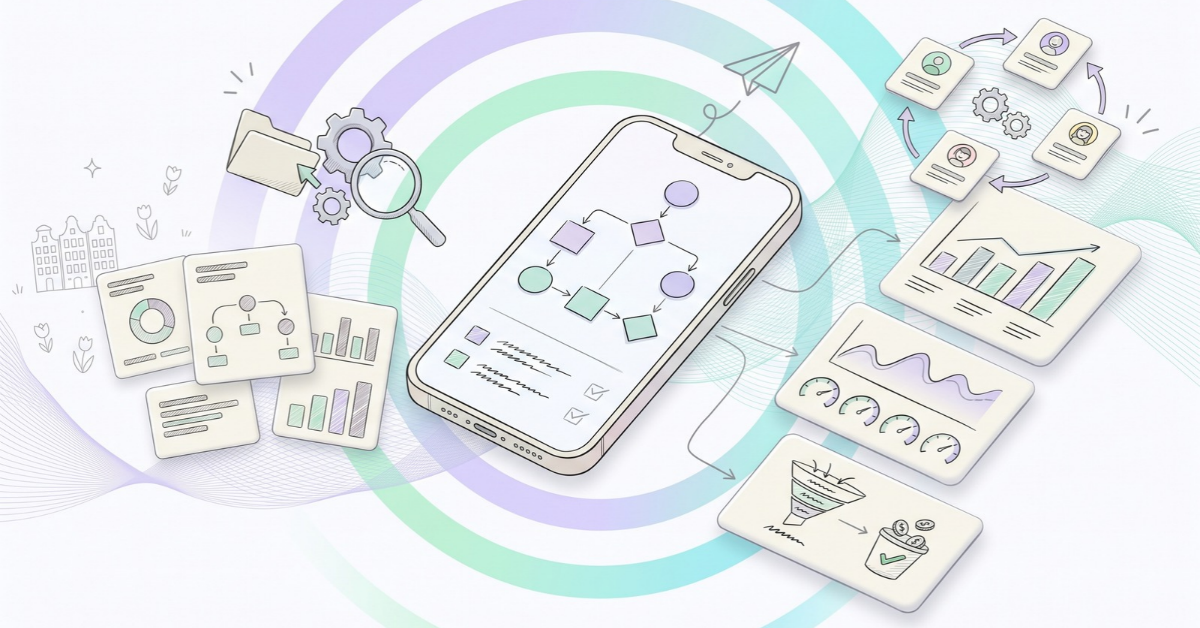
Advertising your app effectively requires a strategic approach across multiple channels, from Apple Search Ads to social media platforms. However, success isn’t just about reaching users—it’s about protecting your advertising investment from ad fraud, which costs the mobile app industry billions annually. Understanding both how to advertise your app and how to safeguard against fraudulent activity will help you build sustainable, profitable user acquisition campaigns.
This guide covers the most effective advertising methods for mobile apps, budget considerations, and comprehensive strategies to detect and prevent ad fraud that could drain your marketing budget.
What Are the Most Effective Ways to Advertise a Mobile App?
The most effective app advertising channels include Apple Search Ads, Google App campaigns, Meta (Facebook/Instagram) ads, TikTok advertising, and performance networks that specialize in mobile app promotion. Each platform offers unique targeting capabilities and levels of user intent that can drive high-quality app installs.
Apple Search Ads delivers high-intent users who are actively searching for apps in your category. These users typically show better retention rates and higher lifetime value than users acquired through other channels. Google App campaigns leverage machine learning to automatically optimize across Google’s entire network, including Search, the Play Store, YouTube, and the Display Network.
Social media platforms like Meta and TikTok excel at reaching users through engaging creative content. These platforms work particularly well for apps with strong visual appeal or social components. Performance networks can help you scale beyond the major platforms by accessing premium inventory and niche audiences.
The key is to test multiple channels simultaneously while tracking performance metrics like cost per install (CPI), retention rates, and lifetime value (LTV) to identify your most profitable advertising sources.
How Much Should You Budget for App Advertising?
App advertising budgets typically range from €5,000 to €50,000 per month for established apps, though this varies significantly based on your app category, target market, and growth stage. Startups often begin with monthly budgets of €2,000–€10,000 to test channels and gather performance data.
Your budget allocation should follow the 70-20-10 rule: 70% on proven, profitable channels, 20% on scaling existing channels, and 10% on testing new advertising opportunities. This approach balances stability with growth exploration.
Consider your unit economics when setting budgets. If your average user generates €20 in lifetime value and you can acquire users profitably at an €8 CPI, you have room to increase spend. Monitor your payback period—most successful apps aim for a 30–90-day payback period, depending on their monetization model.
Geographic targeting also impacts budget requirements. Advertising in competitive markets like the US or the UK typically costs 2–3 times more than targeting users in emerging markets, though the lifetime value may justify the higher acquisition costs.
What Is Ad Fraud and How Does It Impact App Marketing?
Ad fraud in app marketing occurs when malicious actors generate fake app installs, clicks, or engagement to steal advertising budgets without delivering real users. This includes bot traffic, click farms, device farms, and attribution manipulation, which can consume 10–30% of mobile advertising spend.
Common types of mobile ad fraud include install fraud, where bots simulate app downloads without real users; click injection, which hijacks legitimate installs to steal attribution credit; and SDK spoofing, where fraudsters send fake conversion data directly to attribution platforms.
Ad fraud impacts your campaigns by inflating install numbers while delivering low-quality traffic that doesn’t engage or monetize. This skews your optimization algorithms, wastes budget on non-converting users, and makes it difficult to identify truly effective advertising channels.
The financial impact extends beyond wasted ad spend. Fraudulent installs dilute your user base quality, reduce average revenue per user, and can trigger penalties from advertising platforms if detected. This creates a compounding negative effect on your app’s growth trajectory.
How Can You Detect Ad Fraud in Your App Campaigns?
Detect ad fraud by monitoring key performance indicators, including unusually high install rates with low engagement, perfect click-to-install rates, traffic spikes from specific sources, and users who install but never open your app. These patterns often indicate fraudulent activity.
Install-to-registration ratios provide another fraud detection method. Legitimate users typically show conversion rates of 20–40% from install to the first meaningful action. Rates significantly outside this range—especially consistently low conversion rates from specific sources—suggest fraud.
Geographic and device analysis can reveal fraud patterns. Legitimate traffic shows a natural distribution across device types and operating system versions. Suspicious patterns include identical device models, outdated OS versions, or traffic concentrated in regions where you’re not actively advertising.
Time-based analysis helps identify bot activity. Real users install apps throughout the day with natural peaks and valleys. Fraudulent traffic often shows unnatural patterns, such as consistent install rates 24/7 or sudden spikes during off-hours in your target regions.
What Tools and Strategies Prevent Mobile Ad Fraud?
Prevent mobile ad fraud by using attribution platforms with built-in fraud detection, such as AppsFlyer, Adjust, or Branch, combined with third-party fraud prevention tools and strict traffic-source vetting. These tools use machine learning and statistical analysis to identify and block fraudulent installs in real time.
Implement postback delays to give fraud detection systems time to analyze install quality before crediting conversions. Most attribution platforms recommend delays of 1–24 hours, depending on your fraud-risk tolerance and campaign optimization needs.
Use deterministic tracking methods when possible, such as device fingerprinting and probabilistic matching, to reduce opportunities for attribution manipulation. Enable all available fraud prevention features in your attribution platform, including bot detection, click injection protection, and install validation.
Create fraud prevention policies, including approved traffic-source lists, performance thresholds for new partners, and regular traffic-quality audits. Document these policies and share them with your advertising partners to set clear expectations about traffic-quality requirements.
How Do You Choose Trustworthy Advertising Partners?
Choose trustworthy advertising partners by evaluating their fraud prevention measures, requesting traffic-quality guarantees, checking industry certifications, and starting with small test budgets to assess performance quality. Reputable partners should discuss their anti-fraud technologies transparently and provide detailed reporting.
Look for partners certified by industry organizations like the Trustworthy Accountability Group (TAG) or those that participate in fraud prevention initiatives. These certifications indicate a commitment to maintaining traffic-quality standards and implementing best practices.
Request case studies and references from similar apps in your category. Quality partners should provide examples of successful campaigns and be willing to connect you with existing clients who can verify their performance and traffic quality.
We work with vetted advertising partners through our performance marketing services, ensuring your app advertising campaigns reach real users while maintaining strict fraud prevention standards. Our transparent reporting and performance-based approach means you only pay for genuine, engaged users who contribute to your app’s growth.
Frequently Asked Questions
How long should I test a new advertising channel before deciding if it's profitable?
Test new advertising channels for at least 2-4 weeks with a minimum of 1,000 installs to gather statistically significant data. Focus on day-7 and day-30 retention rates rather than just initial install costs, as these metrics better predict long-term profitability and user quality.
What should I do if I suspect ad fraud but my attribution platform isn't detecting it?
Implement additional manual checks by analyzing user behavior patterns, cross-referencing install timestamps with actual app opens, and examining cohort performance over time. Consider switching to a more robust attribution platform or adding third-party fraud detection tools if patterns persist.
How do I optimize my ad creative for different platforms without losing brand consistency?
Maintain core brand elements (logo, colors, key messaging) while adapting format and style to each platform’s native content. Create platform-specific versions that feel natural to users—vertical videos for TikTok, carousel ads for Instagram, and search-focused copy for Apple Search Ads.
Should I pause campaigns immediately when I detect potential fraud, or investigate first?
Pause suspicious traffic sources immediately to prevent further budget waste, then investigate thoroughly. You can always resume campaigns after verification, but continuing fraudulent traffic will compound losses and skew your optimization data.
What's the best way to scale successful campaigns without increasing fraud risk?
Scale gradually by increasing budgets 20-30% weekly rather than doubling overnight, maintain the same targeting parameters that drove initial success, and monitor quality metrics closely during scale-up. Rapid scaling often attracts fraudulent traffic sources looking to exploit increased spend.
How do I calculate the true ROI of my app advertising when factoring in fraud losses?
Calculate fraud-adjusted ROI by multiplying your total ad spend by your estimated fraud rate (typically 10-30%), then subtract this amount from your actual revenue generated. Use clean cohort data from verified users only to get accurate lifetime value calculations.
What are the red flags that indicate an advertising partner might be delivering fraudulent traffic?
Watch for partners who refuse to discuss fraud prevention measures, offer unusually cheap traffic compared to market rates, can’t provide transparent reporting, or show resistance to implementing postback delays. Quality partners welcome fraud prevention discussions and provide detailed performance breakdowns.
Related Articles
- 5 reasons you can't trust your app analytics dashboard
- 4 reasons cost per app install isn't enough
- How do you advertise an app without compromising user privacy?
- What is the role of a mobile measurement partner in app advertising?
- How do you measure ROI when you advertise your app?
- How does SKAdNetwork affect the way you advertise your app?
- What role does creative content play in app advertising?
- How does A/B testing work in the app store?
- What is the ideal character count for app store metadata?
- How do Apple Search Ads relate to organic app store optimization?

 EN
EN  NL
NL