
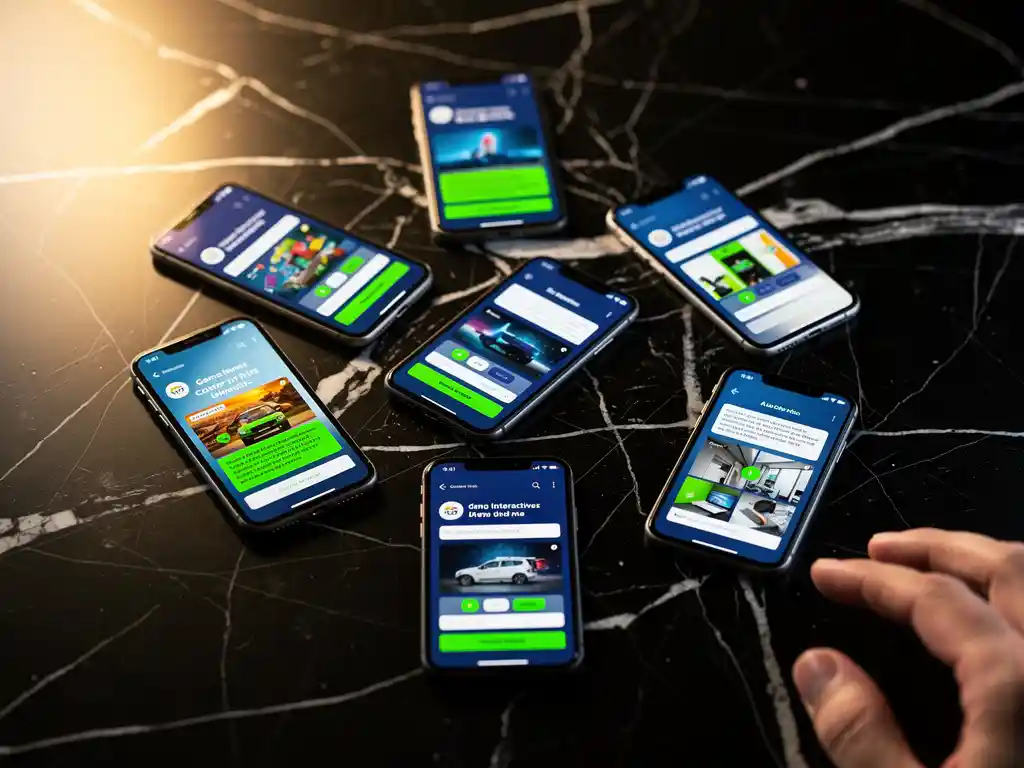
Standing out in today’s crowded app marketplace requires more than basic banner ads and standard display formats. Creative ad formats help you capture attention, drive meaningful engagement, and ultimately convert users who are genuinely interested in your app. The most successful app marketers use a mix of interactive, immersive, and personalized ad formats that showcase their app’s unique value while meeting users where they already spend their time.
From interactive video demonstrations to augmented reality experiences, these nine creative ad formats will help you break through the noise and connect with your target audience in memorable ways.
Why Creative Ad Formats Drive Better App Results
Creative ad formats outperform standard display ads because they actively engage users rather than passively hoping for clicks. Interactive elements, personalized content, and immersive experiences create stronger emotional connections with potential users, leading to higher conversion rates and better long-term retention.
These formats also provide more data about user preferences and behavior. When someone interacts with a playable ad or engages with augmented reality content, you gain valuable insights into their interests and likelihood of becoming an active app user. This data helps you refine your targeting and optimize future campaigns for even better results.
1: Interactive Video Ads That Showcase Gameplay
Interactive video ads let users experience your app before downloading it. These ads include clickable elements, mini-games, or preview features that demonstrate core functionality. Users can tap, swipe, or make choices within the ad itself, creating an authentic preview of your app experience.
Gaming apps benefit most from this format, but any app with visual or interactive elements can use it effectively. E-commerce apps can showcase product browsing, fitness apps can demonstrate workout tracking, and productivity apps can highlight key features through interactive demonstrations.
2: Augmented Reality Ads for Immersive Experiences
Augmented reality ads overlay digital content onto the user’s real environment through their phone camera. This format works particularly well for apps that involve visual elements, shopping, or location-based services. Users can virtually try products, see how furniture looks in their space, or interact with 3D characters and objects.
AR ads create memorable experiences that users often share with friends, extending your reach organically. They also provide a natural way to demonstrate app functionality that would be difficult to explain through traditional ad formats.
3: User-Generated Content and Social Proof Campaigns
User-generated content ads feature real customers using and enjoying your app. These authentic testimonials, reviews, and demonstrations build trust more effectively than polished marketing materials. You can showcase user creations, success stories, or genuine reactions to your app’s features.
This format works across all app categories because it addresses the biggest barrier to app downloads: uncertainty about value and quality. When potential users see real people getting genuine benefits from your app, they’re more likely to try it themselves.
4: Dynamic Product Ads for E-commerce Apps
Dynamic product ads automatically show users specific items they’ve viewed or similar products based on their browsing behavior. These personalized ads pull product information, images, and pricing directly from your app’s catalog, ensuring users see relevant and up-to-date content.
E-commerce and marketplace apps see significant improvements in conversion rates with dynamic ads because they reduce friction between interest and action. Users don’t need to search for items they’ve already shown interest in, making the path to purchase much smoother.
5: What Makes Influencer Partnerships Convert?
Influencer partnerships work best when creators genuinely use and recommend your app within their natural content style. Rather than obvious sponsored posts, effective influencer ads integrate your app into authentic scenarios where the creator would naturally use it.
Micro-influencers often deliver better results than major celebrities because their audiences trust their recommendations more. Look for creators whose followers match your target demographic and whose content style aligns with your app’s personality and use cases.
6: Native Advertising That Doesn’t Feel Like Ads
Native ads match the look, feel, and function of the platform where they appear. On social media, they look like regular posts. In news apps, they resemble editorial content. This seamless integration reduces ad fatigue and increases engagement because users don’t immediately recognize them as advertisements.
The most effective native ads provide genuine value through helpful tips, interesting information, or entertaining content while naturally incorporating your app as a solution. This approach builds positive associations with your brand rather than creating resistance to advertising.
7: Cross-Platform Retargeting with Creative Rotation
Cross-platform retargeting shows different ad creatives to users across multiple platforms and touchpoints. Someone who viewed your app on Instagram might see a different creative format when they browse YouTube or visit a news website. This approach prevents ad fatigue while reinforcing your message through varied presentations.
Creative rotation keeps your campaigns fresh and allows you to test which formats perform best on different platforms. You can use video on social media, display ads on websites, and interactive formats in gaming apps, all targeting the same user with consistent but varied messaging.
8: Gamified Ads That Reward Engagement
Gamified ads include elements like challenges, rewards, progress bars, or competitions that encourage active participation. Users might complete a mini-challenge to unlock a discount code, compete with friends for high scores, or collect virtual items that transfer to your actual app.
These ads work particularly well for gaming apps, but fitness, education, and productivity apps can also use gamification effectively. The key is ensuring the gamified elements relate directly to your app’s core value proposition and user experience.
9: Location-Based and Contextual Targeting Formats
Location-based ads appear when users are in specific geographic areas relevant to your app. Restaurant apps can target users near dining locations, parking apps can reach people in busy downtown areas, and event apps can target attendees at relevant venues. Contextual targeting goes beyond location to consider time, weather, local events, or user activity.
These highly targeted formats often achieve better conversion rates because they reach users when your app is most relevant to their immediate needs. The timing and context make the advertising feel helpful rather than intrusive.
Scale Your App Growth with Strategic Creative Testing
Success with creative ad formats requires systematic testing and optimization. Start with formats that align best with your app’s core features and target audience preferences. Test different creative approaches within each format to identify what resonates most with your users.
Remember that creative fatigue happens quickly in mobile advertising, so plan for regular creative refreshes and new format experiments. The most successful app marketers continuously evolve their creative approach based on performance data and changing user preferences. If you’re looking to implement these creative formats strategically and scale your app growth, consider partnering with specialists who can help you navigate the complexities of performance marketing across multiple platforms and optimize your creative testing for maximum impact.
Frequently Asked Questions
How much budget should I allocate to testing creative ad formats versus proven standard formats?
Start by allocating 20-30% of your ad budget to testing creative formats while maintaining 70-80% on proven performers. As you identify successful creative formats, gradually shift more budget toward the winners. This approach allows for innovation without risking your entire campaign performance.
What's the biggest mistake app marketers make when implementing interactive ad formats?
The most common mistake is creating interactive elements that don’t accurately represent the actual app experience. When users download your app expecting the same interaction they saw in the ad but find something different, it leads to immediate uninstalls and wasted ad spend. Always ensure your interactive ads mirror your real app functionality.
How do I measure ROI for creative formats like AR ads or gamified content that are more expensive to produce?
Focus on lifetime value (LTV) metrics rather than just cost-per-install (CPI). Creative formats typically have higher production costs but drive users with better retention rates and higher engagement. Track 30-day and 90-day retention rates, in-app purchase behavior, and overall user engagement to calculate true ROI.
Can small app developers with limited budgets still use these creative ad formats effectively?
Yes, start with user-generated content campaigns and native advertising, which require minimal production costs. Many platforms now offer self-service tools for creating interactive videos and basic AR experiences. Focus on one creative format at a time, master it, then expand to others as your budget grows.
How often should I refresh my creative ad content to avoid ad fatigue?
Monitor your click-through rates and cost-per-acquisition weekly. When you see a 20-30% decline in performance, it’s time to refresh. Generally, plan to update creative assets every 2-4 weeks for high-frequency campaigns, though this varies by platform and audience size.
Which creative ad format typically delivers the highest conversion rates for non-gaming apps?
User-generated content and social proof campaigns consistently perform well across non-gaming categories because they build trust and reduce download hesitation. Dynamic product ads work exceptionally well for e-commerce apps, while interactive video demonstrations are effective for productivity and lifestyle apps.
What technical requirements should I consider before launching AR or interactive video campaigns?
Ensure your target devices can handle the ad format – AR ads require newer smartphones with adequate cameras and processing power. Interactive video ads need reliable internet connections for smooth playback. Also verify that your chosen ad platforms support these formats and that your tracking systems can measure engagement within the interactive elements.
Related Articles
- Why did my numbers change without any changes made?
- What is IDFA and how does it affect app tracking?
- How do you advertise an app on a limited budget?
- 7 best platforms to advertise your app for maximum ROI
- How do you advertise an app using Google App Campaigns?
- How do you advertise an app while staying compliant with iOS privacy changes?
- How does SKAdNetwork affect the way you advertise your app?
- What are in-app review prompts and how do they work?
- Does the what's new section impact app store optimization?
- 8 best practices for app store keyword optimization

 EN
EN  NL
NL