
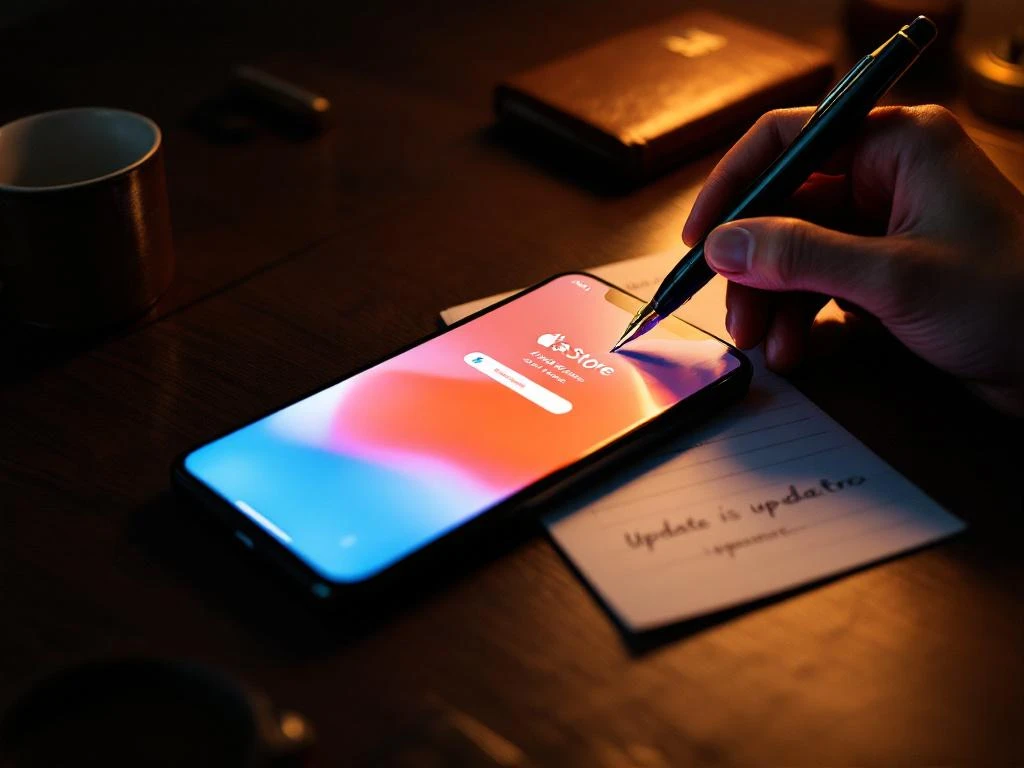
The “What’s New” section does impact App Store Optimization by providing regular opportunities to communicate with users and signal freshness to app store algorithms. While it’s not a direct ranking factor, strategic updates can improve user engagement and support your overall ASO efforts. Effective update descriptions help maintain user interest, incorporate relevant keywords naturally, and demonstrate active app development to both users and app store systems.
What exactly is the “What’s New” section in app stores?
The “What’s New” section is a dedicated space in both the iOS App Store and Google Play Store where developers describe recent app updates and improvements. Users see this information on your app’s product page, typically below the main description and screenshots. It appears prominently when users consider downloading or updating your app.
This section differs from other app metadata elements because it changes with each update, making it dynamic content rather than static information. Unlike your main app description, which remains relatively stable, the “What’s New” section provides ongoing communication opportunities with your audience.
On iOS, this section appears as “What’s New” and supports up to 4,000 characters. Google Play shows it as “What’s new” with similar character limits. Both platforms display this information prominently during the update process, making it valuable real estate for user communication.
The section serves multiple purposes: informing users about new features, addressing previous concerns, and maintaining engagement with your existing user base. It’s also an opportunity to showcase your app’s ongoing development and improvement.
How does the “What’s New” section affect your app’s search ranking?
The “What’s New” section influences App Store Optimization indirectly through user engagement signals and algorithmic freshness factors. While app stores don’t use update descriptions as primary ranking signals, regular updates can positively impact your app’s overall performance in search results.
App store algorithms favor apps that demonstrate ongoing development and user engagement. When you update your app regularly with meaningful improvements, it signals to the algorithm that your app is actively maintained and potentially more valuable to users.
User engagement metrics improve when people understand and appreciate your updates. Clear, compelling update descriptions encourage users to actually install updates, which can boost engagement signals that algorithms do consider for rankings.
The freshness factor plays a role in app store algorithms, similar to how search engines value updated content. Regular updates with well-crafted descriptions can help maintain your app’s relevance in competitive categories.
Additionally, the “What’s New” section provides opportunities to incorporate relevant keywords naturally, supporting your broader ASO strategy without appearing spammy or forced.
What should you actually write in your “What’s New” section?
Write clear, user-focused descriptions that highlight meaningful improvements and benefits. Start with the most important changes and explain how they improve the user experience. Avoid technical jargon and focus on what users actually care about.
Structure your updates with specific improvements rather than vague statements. Instead of “Bug fixes and improvements,” explain what you fixed and why it matters. For example, “Fixed login issues that prevented access on older devices” provides actual value.
Incorporate relevant keywords naturally within your update descriptions. If your app focuses on fitness tracking, mentioning “workout tracking” or “exercise monitoring” in context makes sense. However, avoid keyword stuffing, which feels unnatural and provides a poor user experience.
Use a conversational tone that matches your app’s personality. Thank users for feedback, acknowledge issues you’ve addressed, and build excitement for new features. This human touch helps maintain user engagement and loyalty.
Keep descriptions scannable with bullet points or short paragraphs. Many users quickly skim update notes, so make important information easy to find. Lead with benefits, not just features, explaining how changes improve their experience.
How often should you update your “What’s New” section for optimal ASO?
Update your “What’s New” section every 2–4 weeks for optimal App Store Optimization results. This frequency demonstrates active development without overwhelming users with constant changes. The key is balancing algorithmic freshness signals with meaningful improvements that users actually value.
Quality matters more than frequency. One substantial update with genuine improvements outperforms multiple minor updates with little value. Focus on shipping meaningful changes that enhance the user experience rather than updating just to maintain freshness.
Consider your app category and user expectations when planning update schedules. Gaming apps often update more frequently with new content, while productivity apps might update less often with more substantial feature releases.
Monitor user feedback and app performance to determine optimal timing. If users frequently request specific features or report issues, addressing these promptly with clear update descriptions can improve satisfaction and engagement.
Plan updates around seasonal trends or industry events when relevant. This strategic timing can help your app stay relevant and capture increased search interest during peak periods.
What common mistakes hurt your ASO through poor update descriptions?
Generic descriptions like “Bug fixes and performance improvements” waste valuable communication opportunities and provide no user value. These vague statements fail to engage users or demonstrate the actual value of your updates, missing chances to improve user satisfaction and retention.
Keyword stuffing in update descriptions creates a poor user experience and can appear spammy to both users and algorithms. Forcing unnatural keyword placement makes your updates difficult to read and reduces user trust in your app.
Overly technical language alienates most users, who simply want to understand how updates benefit them. Focusing on technical specifications rather than user benefits makes your updates less compelling and engaging.
Ignoring user feedback in update descriptions represents missed opportunities to show responsiveness. When users report issues or request features, acknowledging these in your updates builds trust and demonstrates that you listen to your audience.
Inconsistent update schedules can hurt user engagement and algorithmic signals. Long gaps between updates may suggest abandoned apps, while overly frequent updates with minimal changes can annoy users and trigger negative feedback.
If you’re looking to improve your app’s visibility and performance through comprehensive App Store Optimization strategies, we can help you develop effective update plans alongside broader ASO improvements that drive sustainable growth for your mobile application.
Frequently Asked Questions
How do I measure if my u0022What's Newu0022 updates are actually improving my ASO performance?
Track key metrics like update adoption rates, user engagement after updates, and search ranking changes over time. Monitor app store analytics for conversion rates on your product page and user retention following updates. Compare periods with strategic update descriptions versus generic ones to identify what resonates with your audience.
Can I use the same u0022What's Newu0022 description for both iOS App Store and Google Play Store?
While you can use similar content, it’s better to tailor descriptions for each platform’s audience and algorithm preferences. Google Play users may respond differently to certain language or features than iOS users. Consider platform-specific improvements and adjust your messaging accordingly while maintaining consistent core benefits.
What should I do if I need to push an emergency bug fix but don't have new features to highlight?
Focus on the problem you solved and its impact on user experience. Be specific about what was broken and how the fix improves their app usage. For example, u0022Fixed crash when uploading photos that affected 15% of usersu0022 is much more valuable than u0022Bug fixes.u0022 Users appreciate transparency about issues and solutions.
Is it worth updating my u0022What's Newu0022 section if I only made minor backend changes users won't notice?
Yes, but frame backend improvements in terms of user benefits. u0022Improved app performance and faster loading timesu0022 or u0022Enhanced security measures to protect your datau0022 communicates value even for invisible changes. This maintains your update frequency while still providing meaningful information to users.
How can I incorporate keywords into update descriptions without making them sound unnatural?
Focus on describing features and benefits using natural language that happens to include your target keywords. Instead of forcing u0022fitness trackeru0022 repeatedly, write u0022Enhanced workout tracking with new exercise categoriesu0022 or u0022Improved fitness monitoring accuracy.u0022 The keywords should support the message, not drive it.
What's the best way to handle negative reviews in my u0022What's Newu0022 section?
Address common concerns directly without being defensive. If users complained about slow loading times, write u0022Significantly improved app loading speed based on your feedback.u0022 This shows you listen to users and take action, potentially turning frustrated users into loyal advocates while demonstrating responsiveness to potential new users.
Should I announce upcoming features in my u0022What's Newu0022 section to build anticipation?
Generally avoid promising future features in update descriptions, as this can lead to user disappointment if timelines change. Instead, focus on what’s actually included in the current update. If you want to build anticipation, use your main app description or social media channels for upcoming feature announcements.
Related Articles
- 4 signs your app's web-to-app handoff is leaking users
- 5 signs you need one view of your app's ad performance
- Why does my app ad open the wrong screen in-app?
- 5 essential steps to advertise your app before launch day
- 9 creative ad formats to advertise your app and stand out
- What is deep linking and why does it matter for app advertising?
- Can small businesses effectively advertise their mobile app?
- How does A/B testing work in the app store?
- How do screenshots impact app store conversions?
- What makes a good app store icon?

 EN
EN  NL
NL