

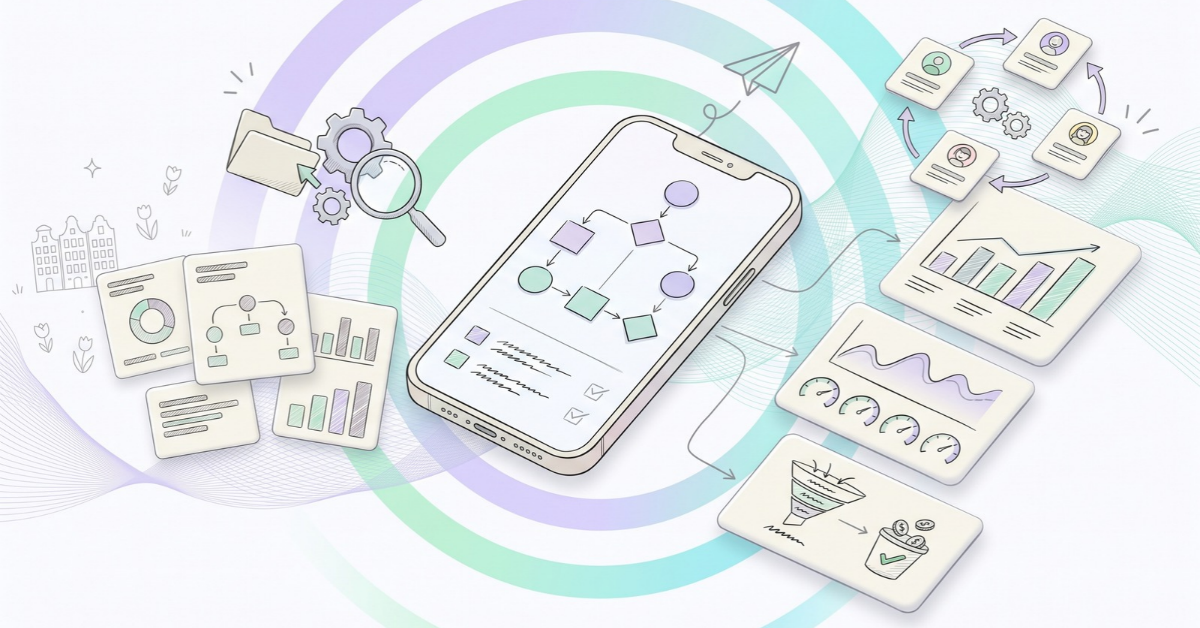
App advertising mistakes can cost you thousands in wasted spend and missed opportunities. The most common errors include poor targeting that attracts low-quality users, weak creative assets that fail to convert, and tracking problems that make optimization impossible. These mistakes often stem from rushing campaigns without a proper strategy or trying to apply general digital marketing tactics to the unique mobile app ecosystem.
Understanding these pitfalls helps you build more effective campaigns that actually drive meaningful app growth and user engagement.
What are the biggest targeting mistakes in app advertising?
The biggest targeting mistakes in app advertising include casting too wide a net with broad demographics, ignoring user behavior patterns, and failing to exclude existing users from acquisition campaigns. These errors lead to high costs and low-quality installs that don’t convert into engaged users.
Many advertisers make the mistake of targeting based on basic demographics alone, such as age and gender, without considering user interests or app usage patterns. This approach attracts users who might install your app but never actually use it. Instead, focus on behavioral targeting that identifies people who actively use similar apps or engage with relevant content.
Another common error is failing to exclude your existing user base from acquisition campaigns properly. You end up paying to advertise to people who already have your app, wasting budget that could attract new users. Set up proper audience exclusions to prevent this overlap.
Geographic targeting mistakes also hurt performance. Some advertisers target countries where their app isn’t optimized for local preferences or where acquisition costs far exceed user lifetime value. Research your target markets thoroughly before expanding internationally.
Why do app advertising campaigns fail to drive quality users?
App advertising campaigns fail to drive quality users because they prioritize install volume over user value, use generic messaging that doesn’t resonate with the target audience, and lack effective post-install engagement strategies. This results in high churn rates and a poor return on ad spend.
The biggest culprit is optimizing for installs rather than meaningful actions. When you tell advertising platforms to simply get as many downloads as possible, they’ll find the cheapest users available. These users often install apps impulsively but never engage meaningfully with them.
Generic ad creative also contributes to poor user quality. When your ads don’t clearly communicate what your app does or why someone should use it, you attract curious but uncommitted users. Your messaging should speak directly to specific user needs and pain points.
Many campaigns also lack a clear onboarding strategy. Even if you attract the right users, a poor first-time user experience leads to immediate uninstalls. Quality users need to understand your app’s value within the first few interactions.
How do creative assets make or break app advertising campaigns?
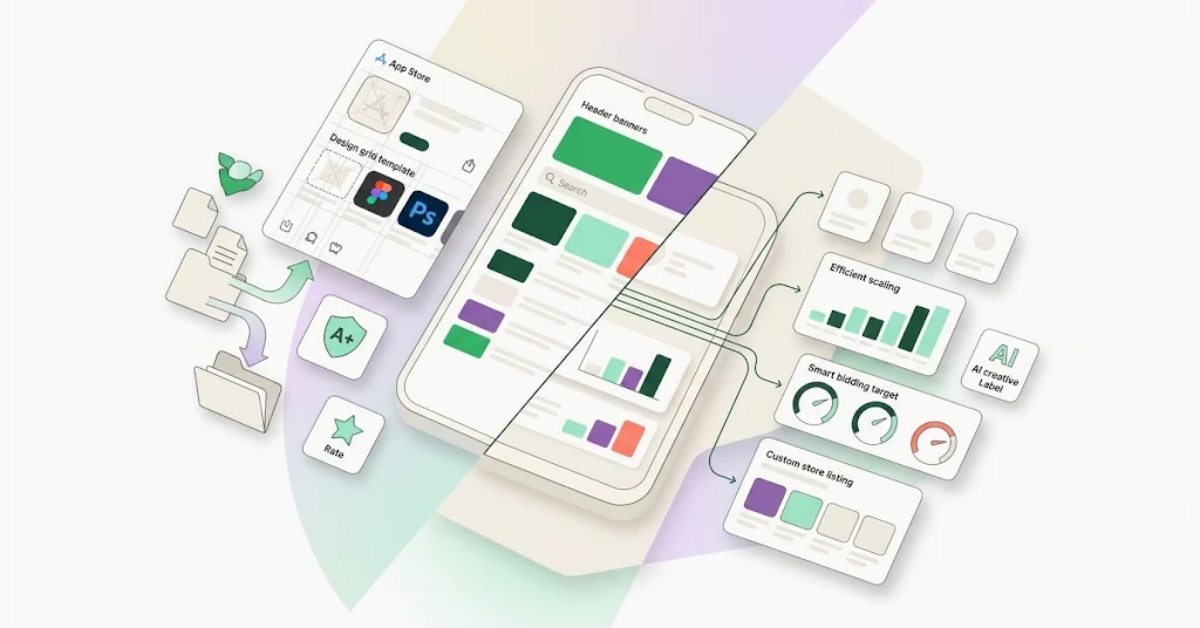
Creative assets make or break app advertising campaigns because they’re the first impression users have of your app, directly influencing install rates and user quality. Poor creatives lead to low click-through rates and attract users who don’t match your target audience, while strong assets clearly communicate value and drive qualified installs.
Your app screenshots and videos need to showcase actual app functionality, not just attractive designs. Users want to see what they’ll actually experience when they open your app. Generic stock photos or overly polished visuals that don’t represent the real user interface often disappoint users and increase uninstall rates.
Video creatives perform particularly well for app advertising, but they need to grab attention within the first three seconds. Show your app in action immediately rather than building up to it with lengthy introductions. Users scroll quickly through social feeds, so your hook needs to be instant and compelling.
Testing different creative variations is important for finding what resonates with your audience. What works for one app category might fail completely for another. Run A/B tests on different messaging angles, visual styles, and calls to action to identify your best-performing assets.
What budget allocation mistakes hurt app advertising ROI?
Budget allocation mistakes that hurt app advertising ROI include spreading spend too thin across multiple platforms, not allocating enough budget for testing phases, and failing to shift money toward high-performing campaigns quickly enough. These errors prevent campaigns from reaching optimal performance and waste money on underperforming channels.
Many advertisers make the mistake of trying to be everywhere at once with small budgets. Running campaigns with insufficient daily spend on multiple platforms means none of them get enough data to optimize effectively. It’s better to focus your budget on one or two platforms initially and scale successful campaigns before expanding.
Another common error is not budgeting adequately for the testing phase. App advertising requires time to gather data and optimize targeting, creative, and bidding strategies. Cutting testing budgets short means you never find the winning combinations that drive profitable growth.
Poor campaign management also hurts ROI. When you find campaigns that perform well, you need to reallocate budget toward them quickly. Leaving money in underperforming campaigns while successful ones remain budget-constrained limits your overall results.
How do tracking and attribution errors impact app marketing results?
Tracking and attribution errors impact app marketing results by creating blind spots in campaign performance, leading to poor optimization decisions and budget waste. Without accurate data on which campaigns drive valuable users, advertisers can’t identify what’s working or scale successful strategies effectively.
The most common tracking mistake is improper SDK implementation or missing postback configurations. When your attribution partner can’t properly communicate with advertising platforms, you lose visibility into which campaigns drive installs and in-app events. This makes optimization nearly impossible.
Attribution window settings also cause problems when they’re too short or too long for your app category. E-commerce apps might see purchases within hours, while subscription apps might take days or weeks for users to convert. Using the wrong attribution window skews your performance data.
Many advertisers also fail to track meaningful post-install events. Focusing only on installs without measuring registrations, purchases, or other valuable actions means you can’t distinguish between high-quality and low-quality traffic sources.
These tracking issues compound over time, leading to increasingly poor campaign performance as you optimize based on incomplete or incorrect data. Getting your measurement foundation right from the start saves significant time and money later. At Wuzzon, we specialize in setting up proper tracking infrastructure and performance marketing strategies that help apps avoid these common pitfalls and achieve sustainable growth.
Frequently Asked Questions
How long should I test app advertising campaigns before making optimization decisions?
Test campaigns for at least 7-14 days or until you have at least 50-100 installs per ad set to gather statistically significant data. Rushing optimization decisions with insufficient data often leads to pausing winning campaigns or scaling losers. The exact timeframe depends on your daily spend and conversion volume.
What's the minimum daily budget needed to run effective app advertising campaigns?
Start with at least $50-100 per day per platform to allow algorithms enough room to optimize and find your target audience. Budgets below this threshold often don’t generate enough data for effective machine learning, leading to inconsistent performance and higher costs per install.
Should I focus on iOS or Android users first when launching app advertising campaigns?
Choose the platform where your app performs better organically or where your target audience is more active. iOS users typically have higher lifetime values but cost more to acquire, while Android offers larger scale at lower costs. Test both platforms with small budgets initially, then scale the one showing better unit economics.
How do I know if my app advertising campaigns are attracting high-quality users?
Monitor post-install metrics like Day 1, Day 7, and Day 30 retention rates, plus revenue per user and time spent in app. Quality users typically show 40%+ Day 1 retention and complete key actions like registration or first purchase within 24-48 hours of install.
What should I do when my app advertising campaigns suddenly stop performing well?
First, check for external factors like iOS updates, competitor launches, or seasonal changes. Then review recent creative fatigue, audience saturation, or tracking issues. Refresh your creative assets, expand targeting slightly, or pause underperforming ad sets while scaling successful ones.
How often should I refresh creative assets in my app advertising campaigns?
Refresh creatives every 2-4 weeks or when performance metrics like click-through rates drop by 20-30% from peak performance. High-performing creatives can run longer, but having 3-5 fresh assets ready prevents campaign disruption when creative fatigue sets in.
What's the biggest mistake when scaling successful app advertising campaigns?
The biggest mistake is increasing budgets too aggressively, which can disrupt the algorithm’s optimization and hurt performance. Scale winning campaigns by 20-50% every few days rather than doubling budgets overnight. Gradual scaling maintains performance while reaching larger audiences effectively.
Related Articles
- How is cost per app install calculated in Adjust?
- 4 signs your app ad reporting is too manual
- 4 reasons marketing and finance disagree on app ad numbers
- What is IDFA and how does it affect app tracking?
- How do you advertise an app on a limited budget?
- 5 essential steps to advertise your app before launch day
- What is promotional text on iOS and how does it work?
- How do you optimize an app title for the app store?
- How often should you update your app store keywords?
- What are app store creatives?

 EN
EN  NL
NL