

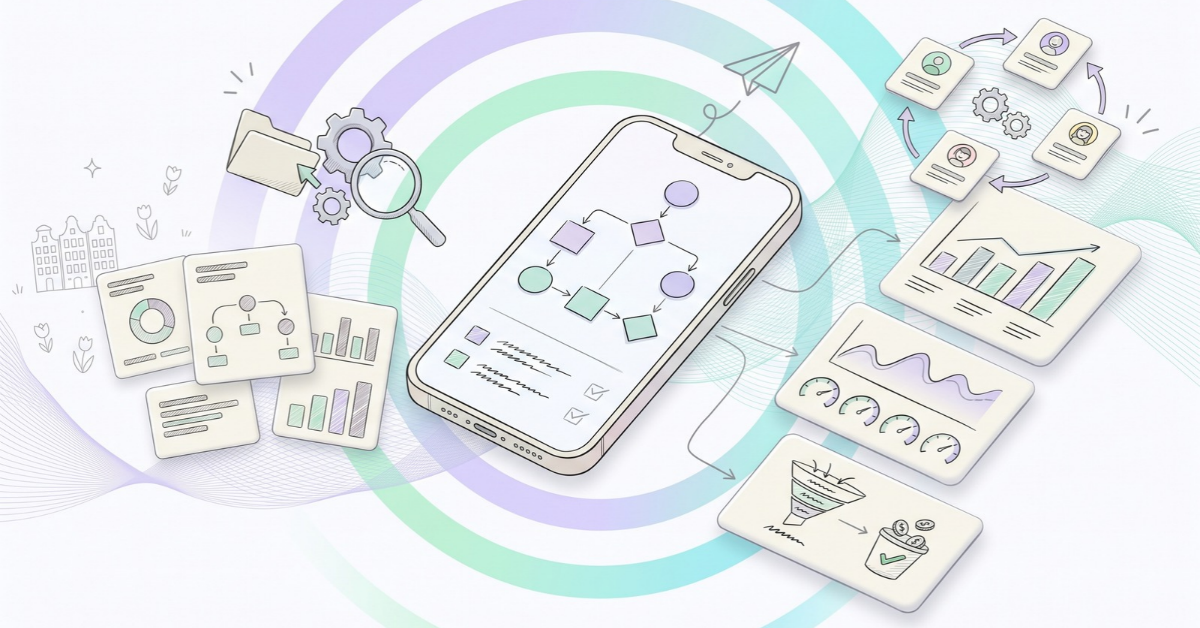
Tracking the right metrics can make the difference between an app that thrives and one that gets lost among the millions available on app stores. With over 4 million apps competing for attention across iOS and Android platforms, understanding which App Store Optimization metrics truly matter helps you make informed decisions that drive real growth. The five metrics we’ll explore directly impact your app’s visibility, download rates, and long-term success without requiring massive advertising budgets.
1: App store visibility rank for your target keywords
Your app’s ranking position for specific keywords determines how easily potential users can discover it through search. When someone searches for terms related to your app’s functionality, you want to appear in the top results. Higher keyword rankings translate directly into more organic visibility and downloads.
Start by identifying 10–15 keywords that accurately describe your app’s core features and benefits. Track your ranking positions for these terms weekly using tools like App Annie or Sensor Tower. Focus on keywords with decent search volume but manageable competition levels, especially when you’re starting your optimization efforts.
Remember that keyword rankings fluctuate based on various factors, including user engagement, download velocity, and app store algorithm updates. Monitor trends rather than obsessing over daily changes, and adjust your keyword strategy based on consistent patterns you observe over time.
2: Conversion rate from store visits to downloads
Your conversion rate reveals how effectively your app store page convinces visitors to download your app. This metric shows the percentage of people who visit your app’s store page and actually tap the download button. Industry averages hover around 25–30%, but top-performing apps often achieve rates above 40%.
Calculate this by dividing your total downloads by your total page views, then multiplying by 100 to get the percentage. If you’re seeing low conversion rates, examine your app screenshots, description, and user reviews. Compelling visuals and clear value propositions significantly impact whether visitors become users.
Test different screenshot sequences, update your app description to highlight key benefits, and ensure your app icon stands out in search results. Small improvements to these elements can dramatically boost your conversion rates and maximize the value of your existing traffic.
3: Organic download growth and acquisition trends
Organic downloads represent users who find and download your app without the influence of paid advertising. This metric indicates how well your App Store Optimization efforts are working and provides insight into your app’s natural growth trajectory. Tracking month-over-month organic growth helps you understand the long-term impact of your optimization strategies.
Monitor both absolute numbers and percentage growth to get a complete picture. A steady increase in organic downloads suggests your ASO improvements are working effectively. Pay attention to seasonal patterns and external factors that might influence download behavior in your app category.
Look for correlations between your ASO changes and organic download spikes. When you update keywords, screenshots, or descriptions, track how these modifications affect your organic acquisition over the following weeks. This data helps you identify which optimization tactics deliver the best results for your specific app.
4: What impact do reviews and ratings have on performance?
Your app’s average rating and review sentiment directly influence both app store algorithms and user trust. Apps with ratings above 4.0 stars typically perform better in search results and convert visitors more effectively. Review velocity and sentiment provide additional insights into user satisfaction and potential issues.
Track your average rating, total review count, and the sentiment of recent reviews. Monitor how quickly you receive new reviews and whether the feedback trends positive or negative. Respond to user concerns promptly and use review feedback to guide your app development priorities.
Implement in-app review prompts strategically to encourage satisfied users to leave positive feedback. Time these requests for moments after users complete positive actions within your app, such as finishing a tutorial or achieving a milestone. This approach helps balance negative reviews from frustrated users with positive feedback from engaged ones.
5: Click-through rate from search results to store page
Click-through rate measures how often users tap on your app when it appears in search results. This metric depends heavily on the effectiveness of your app icon, title, and subtitle. A low click-through rate suggests users aren’t compelled by your app’s presentation in search results, even when you rank well for relevant keywords.
Your app icon serves as the primary visual element that attracts clicks, so ensure it’s distinctive and clearly communicates your app’s purpose. Your title and subtitle should include relevant keywords while remaining appealing to human users. Clear, benefit-focused messaging typically outperforms generic descriptions.
Test different icon designs and title variations to see which combinations generate higher click-through rates. Small adjustments to these elements can significantly impact your traffic volume without requiring changes to your keyword rankings.
Turn your ASO metrics into sustainable app growth
These five metrics work together to create a comprehensive picture of your app’s store performance and growth potential. Start by establishing baseline measurements for each metric, then implement systematic improvements based on your findings. Focus on one or two metrics at a time to avoid overwhelming your optimization efforts.
Regular monitoring and adjustment of these metrics lead to compound improvements over time. As your keyword rankings improve, you’ll see increased visibility. Better conversion rates maximize the value of that visibility, while positive reviews and ratings create a virtuous cycle of trust and discoverability.
Ready to transform your app’s performance through data-driven optimization? We specialize in comprehensive App Store Optimization strategies that turn these metrics into measurable growth for apps across the Netherlands and beyond. Which metric will you prioritize first in your optimization journey?
Frequently Asked Questions
How often should I track and analyze these ASO metrics?
Monitor your keyword rankings and conversion rates weekly, while checking organic downloads and reviews daily. This frequency allows you to spot trends without getting overwhelmed by daily fluctuations. Set up automated reports to track changes efficiently and review your overall ASO performance monthly to make strategic adjustments.
What's a realistic timeline to see improvements in these metrics after implementing ASO changes?
Most ASO changes take 2-4 weeks to show measurable impact, with keyword ranking improvements often visible first. Conversion rate changes from updated screenshots or descriptions can appear within days, while organic download growth typically follows 4-6 weeks after successful ranking improvements. Be patient and avoid making multiple changes simultaneously.
Which metric should I prioritize if I'm just starting with ASO and have limited resources?
Focus on conversion rate optimization first, as it maximizes the value of your existing traffic. Update your screenshots, app description, and icon to clearly communicate your app’s value proposition. This approach delivers faster results than keyword ranking improvements and doesn’t require additional traffic to see benefits.
How do I know if my keyword competition is too high to rank effectively?
Research keywords where apps similar to yours (in downloads and ratings) rank in the top 10 results. If the top-ranking apps have significantly more downloads and higher ratings than yours, consider targeting longer-tail keywords or niche terms with lower competition. Use keyword difficulty scores from ASO tools as a starting guide.
What should I do if my app's rating drops below 4.0 stars?
Immediately investigate recent negative reviews to identify common issues and prioritize fixing critical bugs or user experience problems. Implement strategic in-app review prompts to encourage satisfied users to leave positive feedback. Consider reaching out to dissatisfied users directly to resolve their concerns and potentially update their reviews.
Can I track these metrics for free, or do I need expensive ASO tools?
You can track basic metrics using free tools like Google Play Console and App Store Connect for download data and reviews. For keyword rankings and competitor analysis, free versions of tools like AppFollow or Mobile Action provide limited but useful data. Paid tools offer more comprehensive tracking and historical data for serious optimization efforts.
How do I maintain consistent ASO performance during app store algorithm updates?
Diversify your keyword portfolio across different search terms and maintain high-quality user engagement metrics like retention and session length. Focus on building genuine user satisfaction rather than gaming the system. Keep your app updated regularly, respond to reviews promptly, and monitor your metrics closely during known algorithm update periods to adjust quickly if needed.
Related Articles
- 4 signs you're locked into the wrong app tracking vendor
- 6 app store optimization tools for tracking and analytics
- 6 ways to future-proof your app measurement setup
- Why do users drop off during app onboarding?
- Why do users lose their cart after reopening my app?
- Why do I have too many dashboards for app marketing?
- How do I calculate cost per paying app user?
- 9 creative ad formats to advertise your app and stand out
- How do you advertise an app and prevent ad fraud?
- How does SKAdNetwork affect the way you advertise your app?

 EN
EN  NL
NL