
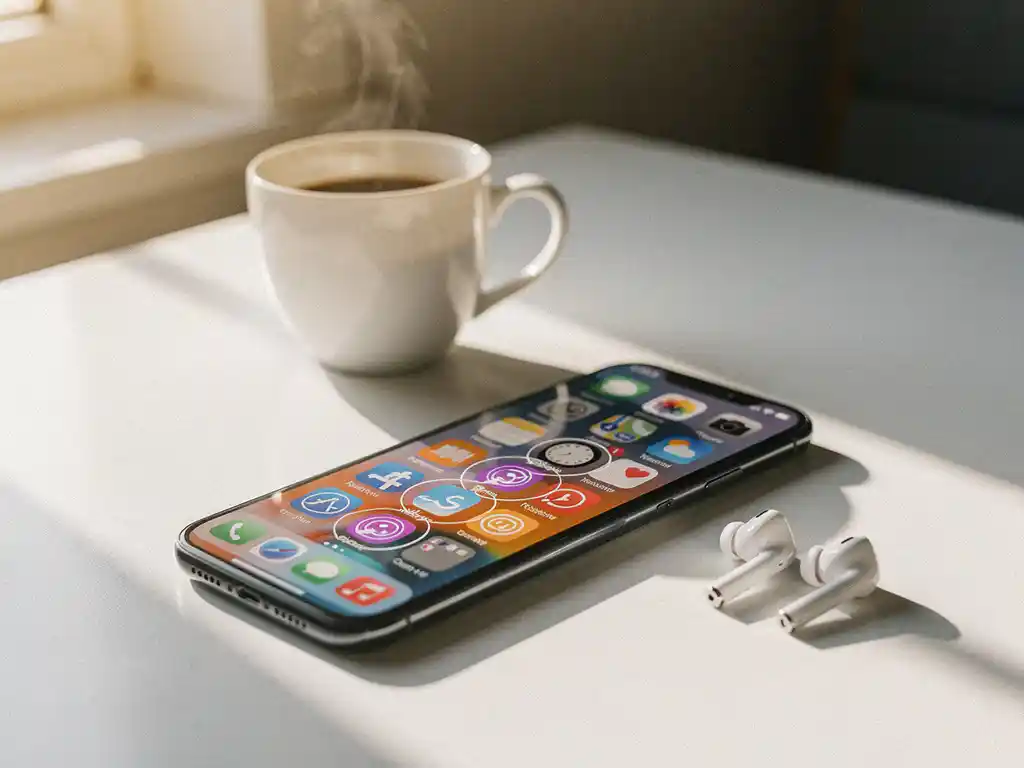
Frequency capping is a digital advertising technique that limits how many times a user sees the same ad within a specific time period. In app advertising, this means controlling how often your ads appear to the same person across different platforms and campaigns. This strategy helps you avoid ad fatigue, reduce wasted spend, and improve the user experience while maintaining effective reach for your app campaigns.
When you advertise your app without proper frequency controls, you risk overwhelming potential users with repetitive messaging, which can actually hurt your conversion rates and brand perception. Understanding how to implement frequency capping effectively can make the difference between a successful user acquisition campaign and one that burns through your budget without delivering results.
What is frequency capping in app advertising?
Frequency capping is a campaign setting that restricts the number of times your app advertisement is shown to the same user within a defined timeframe, such as per day, week, or month. This advertising control prevents individual users from seeing your app ad too many times, which helps maintain campaign effectiveness and the user experience.
The mechanism works by tracking user interactions across devices and platforms using cookies, device IDs, and other tracking technologies. When a user reaches the predetermined exposure limit, the ad platform stops serving your app ads to that specific user for the set duration. This approach ensures your advertising budget is distributed across a broader audience rather than repeatedly targeting the same individuals.
Most major advertising platforms, including Google Ads, Facebook Ads, and Apple Search Ads, offer built-in frequency capping options. These tools typically allow you to set caps ranging from 1 to 10+ impressions per user per day, with additional options for weekly and monthly limits, depending on your campaign objectives.
Why does frequency capping matter for app campaigns?
Frequency capping prevents ad fatigue and improves campaign performance by ensuring users don’t become annoyed or overwhelmed by seeing your app ads too frequently. This leads to better conversion rates, a lower cost per acquisition, and more efficient budget allocation across your target audience.
Without proper frequency controls, app campaigns often experience diminishing returns as users become desensitized to repeated ad exposure. Research shows that conversion rates typically peak at 2–3 ad exposures, then decline significantly with additional impressions. This means showing your app ad 10 times to one person is usually less effective than showing it once to 10 different people.
Frequency capping also protects your brand reputation and the user experience. When potential users see your app advertised excessively, they may develop negative associations with your brand or actively avoid downloading your app. This is particularly important in competitive app categories, where user trust and first impressions significantly impact download decisions.
How does frequency capping work across different platforms?
Frequency capping operates differently across advertising platforms, with each offering unique controls and measurement methods. Google Ads uses device-based tracking for display and video campaigns, while Facebook employs user-based tracking across its family of apps, including Instagram and Messenger.
Apple Search Ads implements frequency capping specifically for search results placements, limiting how often your app appears for the same user’s keyword searches. This platform focuses on search intent rather than display frequency, making it particularly effective for capturing high-intent users actively looking for apps in your category.
TikTok and other emerging platforms typically offer impression-based frequency caps with options for daily, weekly, or campaign-lifetime limits. These newer platforms often provide more granular controls, allowing you to set different frequency caps for various creative formats or audience segments within the same campaign.
Cross-platform frequency management becomes more complex when running campaigns across multiple channels simultaneously. Many advertisers use third-party attribution platforms like Adjust or AppsFlyer to coordinate frequency capping across different advertising networks and maintain a consistent user experience.
What’s the optimal frequency cap for app advertising?
The optimal frequency cap for app advertising typically ranges from 2–4 impressions per user per day, depending on your campaign objective, target audience, and creative strategy. Brand awareness campaigns can handle higher frequencies, while conversion-focused campaigns perform better with lower caps to maximize reach.
For user acquisition campaigns focused on app downloads, a frequency cap of 2–3 impressions per day often delivers the best results. This allows enough exposure to build familiarity without causing ad fatigue. If you’re running retargeting campaigns to re-engage existing users, you can typically use higher frequency caps of 4–6 impressions per day, since these users already know your app.
Campaign duration also influences optimal frequency settings. Short-term campaigns lasting 1–2 weeks can accommodate higher daily frequencies, while longer campaigns benefit from lower caps to maintain performance over time. Testing different frequency caps within your specific audience and vertical provides the most accurate optimization data.
Creative variety plays a significant role in determining appropriate frequency caps. Campaigns using multiple ad creatives can sustain higher frequencies since users see different messaging, while single-creative campaigns require stricter frequency limits to prevent fatigue.
How do you set up frequency capping in your campaigns?
Setting up frequency capping involves accessing your advertising platform’s campaign settings and defining impression limits per user within specific timeframes. Most platforms place these controls in the “Advanced Settings” or “Optimization” sections of your campaign setup process.
In Google Ads, navigate to your display or video campaign settings and look for “Frequency capping” under additional settings. You can set limits for impressions per day, week, or month, with options to apply caps at the campaign, ad group, or individual ad level. Choose the timeframe that aligns with your campaign duration and objectives.
Facebook Ads Manager includes frequency capping options in the “Optimization & Delivery” section when creating or editing campaigns. The platform automatically optimizes frequency based on your campaign objective, but you can set manual controls for reach campaigns or when targeting smaller audiences that might experience higher natural frequency.
For Apple Search Ads, frequency capping is automatically managed by the platform’s algorithm, but you can influence frequency through bid adjustments and keyword-targeting refinements. Focus on expanding your keyword list and adjusting match types to reach broader audiences naturally.
What happens when you don’t use frequency capping?
Without frequency capping, your app advertising campaigns risk wasting significant budget on repetitive impressions to the same users while experiencing declining conversion rates and an increased cost per acquisition. Users who see your ads too frequently often develop ad blindness or negative brand associations.
Uncapped campaigns typically show diminishing returns as they exhaust their most responsive audience segments early in the campaign lifecycle. Your ads may appear 10–20 times to engaged users while completely missing potential customers who would respond positively to initial exposure. This creates an inefficient distribution of your advertising spend.
High-frequency exposure without caps can also trigger negative user behaviors, such as actively hiding your ads, reporting them as spam, or developing negative sentiment toward your app. These actions signal a poor user experience to advertising platforms, potentially reducing your ad quality scores and increasing future advertising costs.
From a performance perspective, campaigns without frequency capping often experience inflated impression counts that don’t translate into proportional increases in downloads or user acquisition. We’ve seen campaigns improve their cost per install by 30–40% simply by implementing appropriate frequency caps and redistributing budget to fresh audiences. If you’re looking to optimize your app advertising performance with professional performance marketing strategies, proper frequency management forms the foundation for sustainable growth and efficient user acquisition.
Frequently Asked Questions
How do I know if my current frequency cap is too high or too low?
Monitor your campaign’s frequency metrics alongside conversion rates and cost per acquisition. If your average frequency exceeds 4-5 impressions per user with declining conversion rates, your cap is likely too high. If your reach is growing slowly and you have budget left unspent, consider increasing your frequency cap to maximize audience exposure.
Can frequency capping hurt my campaign reach and overall performance?
When set too aggressively (like 1 impression per user per week), frequency capping can limit your reach and slow campaign delivery. However, properly configured caps typically improve performance by ensuring budget reaches more unique users. Start with 3-4 impressions per day and adjust based on your campaign’s reach and conversion data.
What should I do if my target audience is small and frequency caps are limiting delivery?
For small audiences, consider expanding your targeting parameters, using lookalike audiences, or increasing your frequency cap to 5-7 impressions per day. You can also create multiple ad creatives to reduce fatigue at higher frequencies, or extend your campaign timeline to allow natural audience refresh.
How does frequency capping work with retargeting campaigns for existing app users?
Retargeting campaigns can typically handle higher frequency caps (4-8 impressions per day) since users are already familiar with your app. Focus on different messaging for various user segments – recent installers might see onboarding tips, while inactive users could see re-engagement offers with win-back creatives.
Should I use the same frequency cap across all my ad creatives and audiences?
No, different creatives and audiences often require different frequency strategies. Video ads can sustain higher frequencies than static images, while cold audiences need lower caps than warm audiences. Test separate frequency caps for each audience segment and creative type to optimize performance individually.
How do I coordinate frequency capping when running campaigns across multiple advertising platforms?
Use a unified attribution platform like Adjust or AppsFlyer to track total user exposure across all channels. Set conservative frequency caps on each platform (2-3 per day) to account for cross-platform overlap, and monitor your overall cost per acquisition to ensure you’re not over-saturating users with combined exposure.
What's the best way to test and optimize my frequency cap settings?
Run A/B tests with different frequency caps (like 2 vs 4 vs 6 impressions per day) using identical audiences and creatives. Monitor key metrics including reach, frequency, conversion rate, and cost per acquisition over 2-3 weeks. The optimal setting balances maximum reach with strong conversion performance for your specific app category and audience.
Related Articles
- Best MMP pricing compared for apps: AppsFlyer vs Adjust
- 5 ways to identify your most profitable app ad channel
- 6 reasons every ad channel claims credit for the same app install
- How do I know if our app measurement setup fits our company size?
- What is attribution tracking in mobile app advertising?
- How do you advertise an app using TikTok effectively?
- How do you advertise an app to reduce user churn?
- What is the difference between iOS and Android A/B testing options?
- Why does my brand app need an app store optimization strategy?
- What are custom product pages on iOS?
 EN
EN  NL
NL