

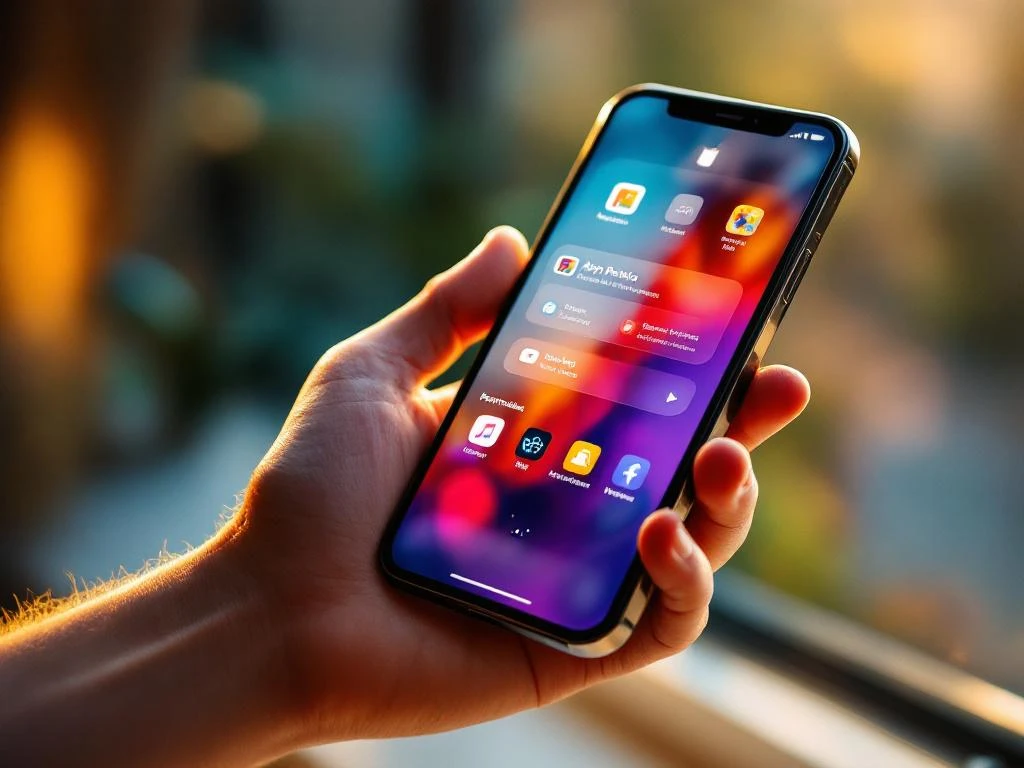
App store personalisation is when app stores like the Apple App Store and Google Play customise what each user sees based on their individual behaviour, preferences, and device data. These platforms use sophisticated algorithms to show different apps, rankings, and recommendations to different users, making each person’s app store experience unique. This personalisation affects everything from search results to featured app sections, fundamentally changing how users discover new apps.
What exactly is app store personalisation and how does it work?
App store personalisation uses machine learning algorithms to create customised app store experiences for each user. The system analyses your behaviour patterns, download history, and engagement data to predict which apps you’re most likely to find interesting or useful.
Both Apple and Google collect extensive data about how you interact with their app stores. This includes which apps you download, how long you spend looking at app pages, which screenshots you view, and even how you scroll through listings. The algorithms also consider your device type, operating system version, and geographic location to refine their recommendations.
The personalisation system works in real time, constantly updating your profile based on new actions. When you search for “fitness apps,” the results you see will differ from what another user sees, even for identical search terms. The algorithm prioritises apps it believes match your specific interests and usage patterns.
Your app store homepage, trending sections, and even the order of search results all reflect this personalised approach. The system aims to surface apps that align with your demonstrated preferences while also introducing you to new categories you might enjoy.
Why does app store personalisation matter for your app’s success?
Personalisation directly impacts your app’s visibility and download potential because it determines who sees your app and when. Apps that align well with user preferences get more prominent placement in personalised feeds, leading to increased organic discovery and higher conversion rates.
Understanding personalisation mechanics gives you a competitive advantage in the crowded app marketplace. When your app consistently appears for users who are genuinely interested in your category or functionality, you’ll see better engagement metrics. These positive signals then feed back into the algorithm, potentially improving your app’s visibility for similar users.
The personalised nature of modern app stores means traditional keyword-only strategies are no longer sufficient. Your app needs to appeal to specific user segments and demonstrate strong engagement metrics to benefit from algorithmic recommendations. Apps that generate positive user behaviour signals often see expanded reach as the algorithm identifies new potential audiences.
Personalisation also affects your app’s long-term growth trajectory. Apps that consistently satisfy user intent and generate positive engagement create a virtuous cycle, where good performance leads to better visibility, which leads to more qualified users and continued growth.
How do app stores decide what to show each user?
App stores analyse multiple data points to create personalised experiences, including your download history, app usage patterns, device information, location data, and in-app engagement behaviours. The algorithm weighs these factors to predict which apps will be most relevant to you.
Your download history plays a significant role in shaping recommendations. If you frequently download productivity apps, the algorithm will prioritise similar apps in your personalised sections. The system also considers apps you’ve uninstalled, viewing this as negative feedback that influences future recommendations.
Device-specific factors also influence personalisation. Users with newer devices might see more resource-intensive apps, while those with older devices see apps optimised for their hardware capabilities. Your available storage space can even affect which apps are prominently displayed.
Geographic location adds another layer of personalisation. Apps popular in your region, apps with local relevance, or apps that comply with local regulations get priority placement. The algorithm also considers cultural preferences and regional app usage patterns when making recommendations.
Engagement depth matters significantly to the personalisation system. The algorithm tracks whether you actually use downloaded apps, how long you spend in them, and whether you make in-app purchases. This behavioural data helps the system understand your true preferences beyond just download patterns.
What can app developers do to work with personalised algorithms?
Focus on creating genuine user engagement rather than trying to manipulate algorithmic systems. Apps that provide real value to their target audience naturally generate the positive signals that personalisation algorithms favour, leading to better visibility among relevant users.
Optimise your app metadata to clearly communicate your app’s purpose and target audience. Well-crafted titles, descriptions, and keywords help the algorithm understand which users might find your app valuable. This clarity improves the quality of traffic your app receives from personalised recommendations.
Pay attention to your app’s onboarding experience and early user engagement. The algorithm monitors how new users interact with your app in the first few sessions. Apps that quickly demonstrate value and encourage meaningful engagement are more likely to be recommended to similar users.
Consider implementing features that encourage regular usage and positive user behaviour. Apps with strong retention rates and consistent usage patterns signal quality to the personalisation system. This can lead to expanded visibility as the algorithm identifies new potential audiences for your app.
Monitor your app’s performance across different user segments and geographic regions. Understanding which audiences respond best to your app helps you refine your targeting and potentially discover new markets where personalisation algorithms might favour your app.
How is app store personalisation changing the way people discover apps?
App discovery has evolved from primarily keyword-based searches to algorithm-driven recommendations that surface relevant apps before users actively search for them. This shift means users often discover apps through personalised feeds, trending sections, and contextual recommendations rather than traditional search methods.
The personalised approach has made app discovery more serendipitous and relevant to individual needs. Users frequently find apps they didn’t know they wanted because the algorithm identifies patterns in their behaviour that suggest interest in specific functionality or categories. This creates opportunities for apps to reach engaged audiences organically.
Modern app discovery increasingly happens through contextual recommendations. The algorithm might suggest travel apps when it detects you’re planning a trip, or productivity apps when you download business-related tools. This contextual awareness makes recommendations more timely and actionable.
The future of app discovery will likely become even more sophisticated, with algorithms potentially predicting user needs based on broader behavioural patterns, seasonal trends, and life events. This evolution will continue to reward apps that genuinely serve user needs while making discovery more intuitive and personalised.
For app marketers, this shift means success increasingly depends on creating apps that generate authentic user engagement rather than simply optimising for search visibility. The most successful apps will be those that consistently deliver value to their intended audience, creating positive signals that feed the personalisation system. Understanding these trends helps you position your app for sustainable growth in an increasingly sophisticated app ecosystem.
If you’re looking to improve your app’s performance in these personalised environments, comprehensive App Store Optimization strategies can help you align with algorithmic preferences while genuinely serving your target audience’s needs.
Frequently Asked Questions
How long does it take for app store algorithms to recognize and respond to changes in my app's performance?
App store algorithms typically begin detecting performance changes within 24-48 hours, but meaningful shifts in visibility can take 1-2 weeks to fully manifest. The algorithms need sufficient data to confirm new patterns, so consistent positive engagement over several days is more impactful than short-term spikes. Major algorithm updates or changes to your app’s core functionality may require 2-4 weeks for the system to recalibrate your app’s positioning.
Can I negatively impact my app's algorithmic performance by targeting the wrong audience?
Yes, targeting mismatched audiences can hurt your app’s algorithmic standing. When users download your app but quickly uninstall it or show low engagement, these negative signals tell the algorithm your app isn’t meeting user expectations. This can reduce your visibility to similar user profiles and lower your overall ranking. Focus on attracting genuinely interested users rather than maximizing download volume.
What specific metrics should I track to understand how personalisation is affecting my app?
Monitor your conversion rates from impressions to downloads, user retention rates (especially Day 1, Day 7, and Day 30), and organic discovery traffic versus search-driven downloads. Track your app’s performance across different user segments and geographic regions, paying attention to which audiences show the highest engagement. Also watch for changes in your average session length and in-app actions, as these directly influence algorithmic recommendations.
How do seasonal trends and external events impact personalised app store algorithms?
Algorithms adapt to seasonal patterns and external events by temporarily boosting relevant app categories and adjusting user behavior predictions. For example, fitness apps see increased visibility in January, while travel apps get priority during vacation seasons. Major events like the pandemic dramatically shifted algorithmic preferences toward remote work and entertainment apps. Plan your marketing and feature updates to align with these predictable seasonal shifts.
Is it possible to recover from poor algorithmic performance, and how?
Recovery is definitely possible but requires sustained effort focused on genuine user engagement improvements. Start by analyzing why users are disengaging – poor onboarding, unclear value proposition, or technical issues. Implement fixes gradually and monitor metrics closely. Consider soft-launching updates to smaller user segments first. Recovery typically takes 4-8 weeks of consistent positive signals, so patience and data-driven improvements are essential.
How do app store algorithms handle new apps with no historical data?
New apps enter a ‘cold start’ period where algorithms rely heavily on metadata, category signals, and initial user behavior to establish baseline performance. The first 2-4 weeks are critical – algorithms closely monitor early download patterns, user engagement, and retention rates to determine initial positioning. New apps that demonstrate strong early engagement can quickly gain algorithmic favor, while those with poor initial metrics may struggle to gain visibility.
Should I optimize differently for Apple App Store versus Google Play personalisation?
Yes, each platform has distinct algorithmic preferences and user behavior patterns. Apple’s algorithm places heavier emphasis on app quality signals and user reviews, while Google Play gives more weight to engagement metrics and broader user behavior data. Apple users tend to spend more per download, while Google Play users show different discovery patterns. Tailor your ASO strategy to each platform’s specific ranking factors and user demographics.
Related Articles
- 5 ways to identify your most profitable app ad channel
- 6 reasons every ad channel claims credit for the same app install
- How do I know if our app measurement setup fits our company size?
- How do landing pages help you advertise your app effectively?
- How do you conduct an app store optimization competitor analysis?
- How does A/B testing work in the app store?
- How do you write an app store description that converts?
- How do you optimize an app title for the app store?
- 8 best practices for app store keyword optimization
- How often should you update your app store keywords?

 EN
EN  NL
NL