

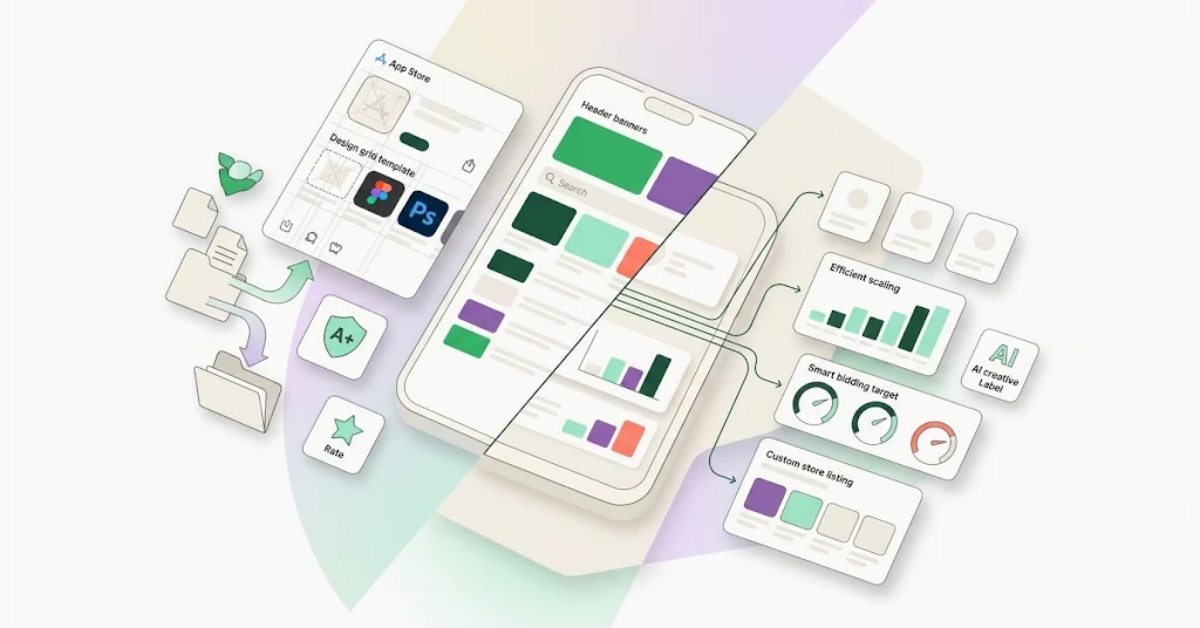
App Store Optimization is your pathway to increasing organic downloads and improving your app’s visibility in both the iOS App Store and Google Play Store. This comprehensive checklist provides you with a systematic approach to optimize every element of your app store presence, from keyword research to visual assets. By following these proven strategies, you’ll boost your app’s discoverability, attract more qualified users, and ultimately drive sustainable growth for your mobile application.
1. Research and select high-impact keywords
Your keyword strategy forms the foundation of successful App Store Optimization. Start by brainstorming terms your target audience would use to find apps like yours. Think about the problems your app solves and the benefits it provides.
Use keyword research tools to analyze search volume and competition levels for your potential keywords. Look at what keywords your competitors are ranking for and identify gaps you can fill. Focus on finding the sweet spot between search volume and competition—keywords that enough people search for but that aren’t dominated by major apps.
Create a list of primary and secondary keywords. Your primary keywords should appear in your app title, while secondary keywords can be incorporated into your description and keyword fields. Remember that different platforms have different character limits and keyword fields, so tailor your approach accordingly.
2. Optimize your app title for maximum visibility
Your app title is the most important ranking factor for App Store Optimization. Include your most important keyword in the title while keeping it readable and compelling. The App Store allows 30 characters for titles, while Google Play gives you 50 characters to work with.
Avoid keyword stuffing or creating titles that sound unnatural. Your title should clearly communicate what your app does while incorporating your primary keyword naturally. Consider using separators like dashes or colons to include additional descriptive terms without compromising readability.
Test different title variations if possible, but remember that frequent changes can temporarily impact your rankings. Make sure your title works well with your app icon and creates a cohesive first impression for potential users browsing the app stores.
3. Write compelling app descriptions that convert
Your app description serves two purposes: informing the app store algorithm about your app’s functionality and convincing users to download. Start with a compelling opening that immediately communicates your app’s main benefit.
Structure your description with clear sections highlighting key features, benefits, and use cases. Incorporate your secondary keywords naturally throughout the text, but prioritize readability over keyword density. Use bullet points or short paragraphs to make the content easily scannable.
Include social proof elements like user testimonials or awards if you have them. End with a clear call to action encouraging users to download. Remember that Google Play shows only the first few lines in search results, so front-load your most compelling content.
4. Design eye-catching app icons and screenshots
Visual assets significantly impact your conversion rates in app store search results. Your app icon needs to stand out in a crowded marketplace while clearly representing your app’s purpose. Use bold colors and simple designs that remain recognizable even at small sizes.
Create screenshots that tell a story about your app’s functionality and benefits. Show your app in action rather than just displaying static screens. Use captions and annotations to highlight key features and value propositions. Consider creating different screenshot sets for different target audiences or use cases.
Follow platform-specific guidelines for image dimensions and file formats. Test your visuals on different devices to ensure they look crisp and professional across all screen sizes. Remember that your visual assets often determine whether users click through to read more about your app.
5. Choose categories and tags that boost discoverability
Selecting the right category positions your app in front of users actively browsing that section. Choose the most specific category that accurately represents your app’s primary function. Avoid selecting overly competitive categories unless your app can realistically compete with established players.
Research the top apps in your chosen category to understand what users expect and how you can differentiate your app. Consider secondary categories if the platform allows, but ensure they’re genuinely relevant to your app’s functionality.
Use all available tag and keyword fields provided by each platform. Google Play offers additional keyword opportunities through developer-defined tags, while the App Store provides a dedicated keyword field. Make sure these align with your overall keyword strategy.
6. Encourage and manage user reviews strategically
Positive reviews and ratings directly impact your app store rankings and conversion rates. Implement review prompts at optimal moments when users have just experienced value from your app, such as after completing a successful action or reaching a milestone.
Respond to reviews professionally and promptly, especially negative ones. Address specific concerns and show that you value user feedback. This demonstrates active development and customer care to potential users reading reviews.
Monitor review trends to identify common issues or feature requests. Use this feedback to improve your app and prevent future negative reviews. Consider implementing in-app feedback mechanisms to address concerns before they become public reviews.
7. Monitor performance and iterate continuously
Track your App Store Optimization metrics regularly using analytics tools provided by app stores and third-party platforms. Monitor your keyword rankings, conversion rates, and download trends to identify what’s working and what needs improvement.
Test different elements systematically, changing one variable at a time to measure impact accurately. This might include testing different screenshots, descriptions, or keyword combinations. Give each test sufficient time to gather meaningful data before drawing conclusions.
Stay updated with app store algorithm changes and best practices. What works today might need adjustment tomorrow as platforms evolve their ranking factors and user behavior changes.
8. Localize your app for global markets
Expanding to international markets requires more than just translating your app store listing. Research keywords that local users actually search for in their language, as direct translations often miss culturally relevant terms.
Adapt your visual assets to resonate with local audiences. This might involve changing colors, imagery, or cultural references that work better in specific regions. Consider local competitors and market preferences when crafting your localized app store presence.
Start with markets that align with your app’s value proposition and gradually expand based on performance. Monitor each market separately and optimize based on local user behavior and preferences.
Turn your app store optimization into sustained growth
App Store Optimization isn’t a one-time task but an ongoing process that requires consistent attention and refinement. The strategies in this checklist work together to create a comprehensive approach that improves your app’s visibility and conversion rates over time.
Success comes from implementing these elements systematically and monitoring their combined impact on your app’s performance. Regular optimization based on data and user feedback helps you maintain competitive rankings and adapt to changing market conditions.
Ready to take your app’s growth to the next level? We specialize in comprehensive app store optimization strategies that drive sustainable results for apps across diverse industries. Which aspect of your current app store presence do you think needs the most attention?
Frequently Asked Questions
How long does it typically take to see results from App Store Optimization efforts?
ASO results can vary significantly depending on your starting point and competition level. You might see initial improvements in keyword rankings within 2-4 weeks, but meaningful increases in downloads often take 2-3 months of consistent optimization. The key is to track your metrics weekly and make data-driven adjustments rather than expecting overnight success.
What's the biggest mistake apps make when starting their ASO strategy?
The most common mistake is targeting keywords that are too competitive right from the start. New apps should focus on long-tail keywords with moderate search volume and lower competition to build initial traction. Once you establish rankings for these terms, you can gradually target more competitive keywords as your app gains authority and reviews.
Should I optimize differently for iOS App Store versus Google Play Store?
Absolutely. While the core principles remain the same, each platform has unique requirements and ranking factors. iOS places more weight on the dedicated keyword field and has stricter character limits, while Google Play considers your description text more heavily for keyword rankings and allows longer titles. Tailor your approach to each platform’s specific algorithm and user behavior.
How do I know if my current ASO efforts are actually working?
Track key metrics including organic download growth, keyword ranking improvements, conversion rate from impressions to installs, and review velocity. Use tools like App Store Connect, Google Play Console, and third-party ASO platforms to monitor these metrics. Focus on trends over time rather than daily fluctuations, and ensure you’re measuring the right KPIs for your app’s goals.
What should I do if my app rankings suddenly drop after an ASO update?
First, don’t panic or make immediate drastic changes. Algorithm updates, increased competition, or seasonal trends could be factors. Analyze what specific elements you changed and monitor for 1-2 weeks to see if rankings stabilize. If the drop persists, consider reverting recent changes one at a time and focus on improving other ASO elements like getting more positive reviews.
How many keywords should I target for my app, and how do I prioritize them?
Focus on 5-10 primary keywords initially, with a mix of branded terms, category-specific keywords, and problem-solving phrases. Prioritize based on relevance to your app’s core function, realistic ranking potential given your competition, and search volume. It’s better to rank well for fewer, highly relevant keywords than to spread your efforts too thin across dozens of terms.
Is it worth investing in ASO for a brand new app with no reviews or downloads?
Yes, ASO is especially crucial for new apps since you’re starting with zero organic visibility. Begin with thorough keyword research and optimize your listing before launch to maximize your chances of being discovered. Focus on long-tail keywords, create compelling visuals, and have a plan to generate initial reviews quickly through beta testing or soft launches in smaller markets.
Related Articles
- Why do users disappear right after installing my app?
- AppsFlyer vs Singular vs Adjust: which is best for app attribution?
- Why did my numbers change without any changes made?
- Why do users lose their cart after reopening my app?
- How do I know if an app campaign is actually profitable?
- 9 creative ad formats to advertise your app and stand out
- What role does creative content play in app advertising?
- What are in-app review prompts and how do they work?
- How do app store ratings affect rankings?
- What is the difference between Apple App Store and Google Play Store optimization?


 EN
EN  NL
NL