

ASO stands for App Store Optimization in online marketing. It is the process of improving your mobile app’s visibility in app stores like Google Play and Apple’s App Store to increase organic downloads. ASO works by optimizing your app’s metadata, keywords, and visual elements to rank higher in search results and category listings, making it easier for potential users to discover your app.
What does ASO actually mean in app marketing?
App Store Optimization (ASO) is the practice of improving your mobile app’s visibility and conversion rate in app stores. It involves optimizing various elements of your app listing to rank higher in search results and attract more downloads.
ASO differs from traditional SEO because it focuses specifically on app store algorithms rather than search engines like Google. While SEO optimizes websites for search visibility, ASO targets the unique ranking factors that app stores use to determine which apps appear in search results and category rankings.
The process matters because app store visibility directly impacts your download numbers. Most users discover apps by browsing app store categories or searching for specific terms. Without proper optimization, your app might remain buried among millions of competitors, regardless of its quality or usefulness.
App stores use complex algorithms that consider factors like keyword relevance, download velocity, user ratings, and engagement metrics. Understanding these factors helps you position your app for maximum discoverability and conversion.
How does ASO work to improve app visibility?
ASO improves app visibility by optimizing your app listing to align with what app store algorithms prioritize. The algorithms consider keyword relevance, user engagement signals, and conversion metrics to determine which apps deserve higher rankings.
App store algorithms evaluate multiple ranking factors simultaneously. They analyze how well your app’s metadata matches user search queries, how many people download your app after viewing it, and how users rate and review your app after downloading.
The optimization process involves researching relevant keywords that your target audience uses when searching for apps like yours. You then strategically incorporate these keywords into your app title, subtitle, and description while maintaining natural, compelling copy.
User behavior signals play a significant role in how algorithms rank apps. When users frequently download your app after finding it in search results, this signals to the algorithm that your app is relevant and valuable, potentially boosting your rankings for related searches.
App stores also consider your app’s performance in specific categories and geographic regions. An app that performs well in one market might receive preferential treatment in similar markets or related category searches.
What are the main components of effective ASO?
Effective ASO includes five main components: app title optimization, strategic keyword research, compelling descriptions, high-quality screenshots and videos, and maintaining positive ratings and reviews.
Your app title serves as the most important ranking factor. It should include your primary keyword while clearly communicating your app’s purpose. Keep titles concise and memorable, as they appear prominently in search results and category listings.
Keyword research involves identifying terms your target audience uses when searching for apps like yours. Focus on keywords with good search volume but manageable competition. Tools can help you discover relevant keywords and analyze competitor strategies.
App descriptions need to be informative and persuasive while incorporating your target keywords naturally. Write for users first, then optimize for algorithms. Include clear benefits, features, and calls to action that encourage downloads.
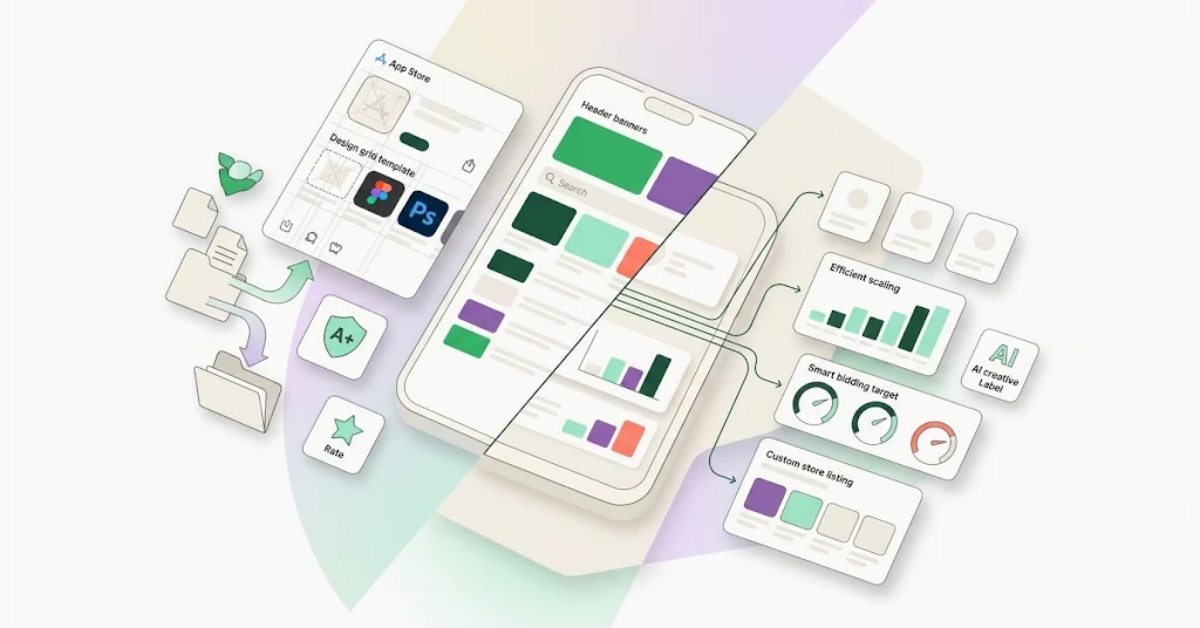
Visual elements like screenshots and preview videos significantly impact conversion rates. Show your app’s key features and benefits through high-quality visuals that demonstrate real usage scenarios. These elements help users understand your app’s value before downloading.
Ratings and reviews influence both algorithm rankings and user decision-making. Encourage satisfied users to leave positive reviews while addressing negative feedback promptly and professionally.
Why is ASO important for your app’s success?
ASO is important because it directly impacts your organic download numbers, reduces user acquisition costs, and provides sustainable long-term growth without ongoing advertising expenses.
Organic downloads driven by improved app store visibility cost significantly less than paid advertising campaigns. When your app ranks higher in relevant searches, you attract users who are actively looking for solutions your app provides, leading to higher-quality downloads and better user retention.
Well-optimized apps often see improved conversion rates from app store visits to actual downloads. Clear, compelling app listings help potential users quickly understand your app’s value, making them more likely to download and try it.
ASO provides cumulative benefits over time. Unlike paid advertising, which stops generating results when you stop spending, ASO improvements continue working as long as your optimization remains relevant and competitive.
The strategy also helps you understand your audience better. Through keyword research and performance analysis, you gain insights into how users search for and discover apps in your category, informing broader marketing and product development decisions.
A competitive advantage emerges when you consistently optimize while competitors neglect their app store presence. Small improvements in rankings can translate into significant differences in download volumes over time.
How do you get started with ASO for your app?
Start with keyword research to identify relevant terms your target audience uses, then optimize your app title and description. Monitor your rankings and downloads to measure improvement, making adjustments based on performance data.
Begin by analyzing your current app store performance. Review your existing keywords, conversion rates, and competitor positioning to identify immediate optimization opportunities. Document your baseline metrics before making changes so you can measure improvement.
Research keywords using app store search suggestions and competitor analysis. Look for terms with decent search volume but realistic competition levels for your app’s current position. Focus on 5–10 primary keywords initially rather than trying to optimize for everything.
Optimize your app listing elements systematically. Start with your title and subtitle, incorporating your most important keywords naturally. Then update your description to include relevant keywords while maintaining readability and persuasive copy.
Track your progress using app store analytics and third-party ASO tools. Monitor keyword rankings, conversion rates, and download trends to understand which optimizations work best for your specific app and audience.
Avoid common mistakes like keyword stuffing, neglecting visual elements, or making too many changes simultaneously. Focus on gradual improvements and give each optimization time to show results before making additional adjustments.
Consider working with specialists who understand app store algorithms and optimization strategies. Professional App Store Optimization services can help you implement comprehensive strategies while avoiding costly mistakes that might hurt your app’s visibility.
Frequently Asked Questions
How long does it take to see results from ASO efforts?
ASO results typically begin showing within 2-4 weeks for keyword ranking improvements, while significant download increases may take 6-12 weeks. The timeline depends on your app’s current visibility, competition level, and the extent of optimizations made. Monitor your metrics weekly and be patient, as app store algorithms need time to recognize and reward your optimization efforts.
What's the biggest mistake new developers make when starting ASO?
The most common mistake is keyword stuffing—cramming too many keywords into titles and descriptions unnaturally. This actually hurts rankings and user experience. Instead, focus on 5-10 highly relevant keywords and integrate them naturally into compelling, user-focused copy that clearly communicates your app’s value proposition.
How often should I update my app's ASO elements?
Review and potentially update your ASO elements every 2-3 months, or after major app updates. Avoid making frequent changes as app stores need time to process optimizations. Focus on data-driven updates based on performance metrics, seasonal trends, or significant shifts in user search behavior rather than constant tweaking.
Can I do ASO effectively without paid tools?
Yes, you can start ASO using free resources like app store search suggestions, competitor research, and built-in analytics. However, paid ASO tools provide valuable insights into keyword difficulty, competitor strategies, and ranking tracking that can significantly improve your optimization accuracy and save time as your app grows.
What should I do if my ASO efforts aren't improving downloads?
First, verify you’re tracking the right metrics—focus on keyword rankings and conversion rates, not just downloads. Check if your visual elements (screenshots, videos) effectively communicate your app’s value, as poor visuals can hurt conversions despite good keyword rankings. Consider testing different app descriptions or analyzing user reviews for insights into why visitors aren’t converting.
How do I handle ASO for apps in multiple countries or languages?
Localize your ASO strategy by researching keywords specific to each target market, as search behavior varies significantly across regions. Translate and culturally adapt your app title, description, and visual elements rather than using direct translations. Consider local competitors and cultural preferences when optimizing for different geographic markets.
Should I focus on Google Play Store or Apple App Store first for ASO?
Start with the platform where your target audience is most active, but generally, Google Play Store offers more flexibility with longer descriptions and keyword fields, making it slightly easier for beginners. Apple App Store has stricter guidelines but potentially higher-value users. Ideally, optimize for both simultaneously using platform-specific best practices.
Related Articles
- How do I know if our app measurement setup is outdated?
- How do I know if we're paying for app tracking features we don't use?
- What is the difference between CPI and CPA in app advertising?
- What is the difference between organic and paid app advertising?
- How do you advertise an app using performance-based marketing?
- What are the most common mistakes when advertising apps?
- How do you respond to negative app store reviews?
- 8 best practices for app store keyword optimization
- What are backend keywords on iOS?
- What factors influence app store rankings?


 EN
EN  NL
NL