

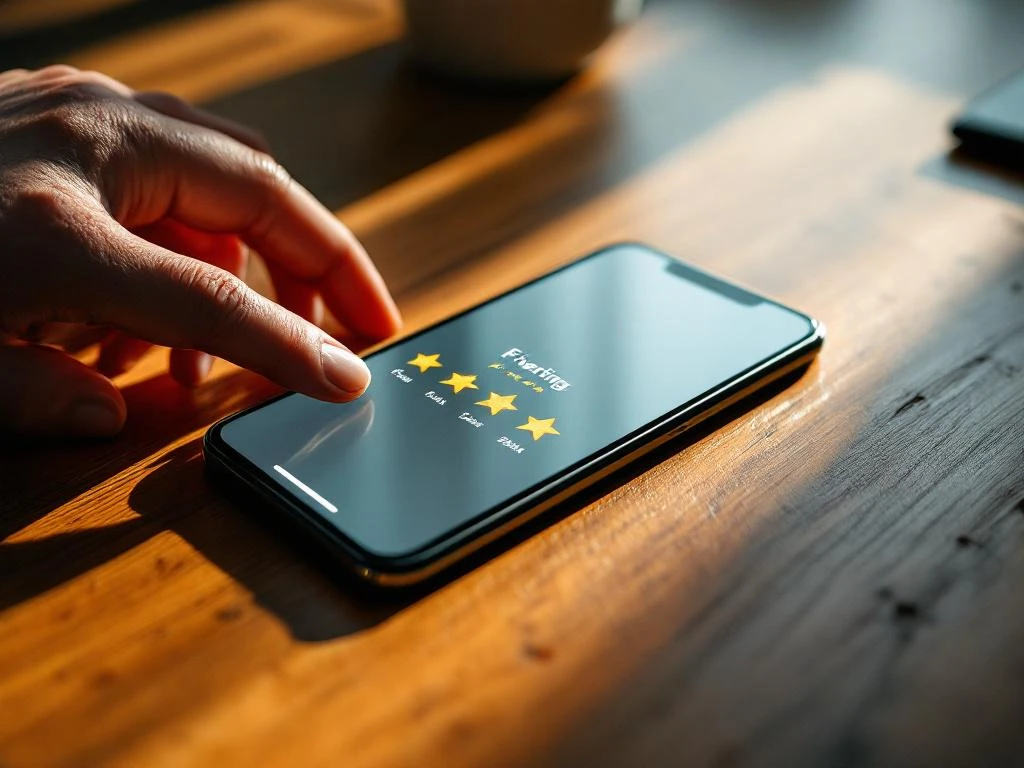
Your app store rating isn’t just a number—it’s the first impression that determines whether users download your app or scroll past it. A strong rating boosts your visibility in app store algorithms, builds trust with potential users, and directly impacts your download rates. The good news? You can improve your ratings ethically by focusing on genuine user satisfaction rather than manipulative tactics. These seven proven strategies will help you build better ratings through authentic user experiences and smart engagement practices.
Why your app store rating determines success or failure
App store ratings serve as the digital equivalent of word-of-mouth recommendations. When users browse app stores, they make split-second decisions based on star ratings before even reading descriptions or viewing screenshots. This snap judgment affects your app’s entire growth trajectory.
The app store algorithms favor highly rated apps in search results and featured sections. A rating above 4.0 stars significantly increases your chances of appearing in top search positions, while ratings below 3.0 can bury your app regardless of how well optimized your metadata is. This creates a direct correlation between ratings and organic visibility.
User behavior patterns reveal that most people won’t download apps with ratings below 4 stars unless they’re desperate for that specific functionality. Your rating acts as a quality signal that influences user trust and conversion rates throughout the entire customer journey.
1: Focus on user experience from day one
The foundation of excellent ratings lies in creating an app that users genuinely enjoy using. When your app functions smoothly and intuitively, positive reviews happen naturally without aggressive prompting or incentive schemes.
Start with thorough user testing before launch. Common UX issues that tank ratings include confusing navigation, slow loading times, unclear onboarding processes, and features that don’t work as expected. These problems frustrate users immediately and often result in one-star reviews with detailed complaints.
Invest time in intuitive design principles that make your app feel familiar and easy to navigate. Users should accomplish their primary goals within the first few interactions. When people can successfully complete tasks without confusion or friction, they’re naturally inclined to leave positive feedback about their experience.
2: Time your review requests strategically
The moment you ask for a review dramatically influences the response you’ll receive. Requesting feedback immediately after a user completes a positive action or achieves a goal capitalizes on their satisfaction and goodwill toward your app.
Consider triggering review prompts after successful purchases, completed tutorials, achievement unlocks, or when users return to your app multiple times within a week. These moments indicate engagement and satisfaction, making users more likely to share positive experiences.
Avoid asking for reviews during frustrating moments, such as after errors, failed transactions, or when users are clearly struggling with functionality. Strategic timing respects user emotions and significantly improves the quality of reviews you receive.
3: Respond to negative reviews professionally
Negative reviews aren’t just criticism—they’re opportunities to demonstrate your commitment to user satisfaction. Professional, helpful responses show potential users that you care about feedback and actively work to resolve issues.
Address specific concerns mentioned in negative reviews rather than using generic responses. Acknowledge the user’s frustration, explain any steps you’re taking to fix the problem, and invite them to contact you directly for further assistance. This approach often transforms angry users into advocates.
Your review responses are visible to all potential users, so treat them as public demonstrations of your customer service quality. Thoughtful, solution-focused replies can actually convince new users to download your app because they see evidence of responsive support.
4: What bugs are costing you five-star reviews?
Technical issues create the most passionate negative reviews because they prevent users from accomplishing their goals. Crashes, freezes, login problems, and feature malfunctions generate detailed complaints that can deter hundreds of potential downloads.
Prioritize bug fixes based on user impact rather than development complexity. A minor visual glitch that affects every user deserves immediate attention, while a complex feature used by few people can wait. Monitor crash reports and user feedback to identify which technical issues appear most frequently in negative reviews.
Implement robust testing procedures across different devices, operating system versions, and network conditions. Many bugs only appear in specific environments, so comprehensive testing prevents issues that could otherwise surprise users and damage your rating after launch.
5: Create genuine value that users want to share
Apps that solve real problems and exceed user expectations naturally motivate positive reviews. When your app becomes genuinely useful in someone’s daily routine, they often want to recommend it to others through ratings and reviews.
Focus on understanding your users’ core needs and pain points rather than adding flashy features that don’t address real problems. The most enthusiastic reviews come from users who feel your app has made their lives easier, more productive, or more enjoyable in meaningful ways.
Continuously improve your app’s functionality based on user behavior and feedback. Regular updates that add requested features or enhance existing functionality show users that you’re committed to delivering ongoing value, which encourages long-term loyalty and positive sentiment.
6: Build a feedback loop with your user community
Establishing ongoing communication with your users creates a sense of community and investment in your app’s success. When users feel heard and valued, they’re more likely to provide constructive feedback and positive reviews.
Implement in-app feedback systems that make it easy for users to share suggestions, report issues, or express satisfaction without leaving the app. This direct communication channel often prevents negative reviews by allowing you to address concerns before they reach the app store.
Engage with your user community through surveys, social media, or in-app messaging to understand their evolving needs and preferences. When you implement user suggestions and acknowledge their contributions, you create emotional investment that translates into advocacy and positive reviews.
7: Monitor and learn from competitor reviews
Competitor app reviews reveal valuable insights about user expectations, common frustrations, and opportunities for differentiation in your market. This intelligence helps you avoid problems that plague similar apps while identifying features users desperately want.
Analyze both positive and negative reviews of competitor apps to understand what users value most and what drives them away. Look for patterns in complaints about missing features, poor customer service, or technical issues that you can address better in your own app.
Use competitor review analysis to identify gaps in the market where user needs aren’t being met effectively. When you can solve problems that other apps ignore or handle poorly, you create competitive advantages that naturally lead to positive user sentiment and higher ratings.
Turn these strategies into sustainable rating growth
Implementing these ethical approaches creates a foundation for long-term rating improvements through genuine user satisfaction rather than short-term manipulation tactics. The key lies in consistency and patience—authentic rating growth takes time but produces lasting results.
Track your progress by monitoring not just your overall rating, but also the themes and sentiment in written reviews. Look for improvements in specific areas you’ve addressed, such as fewer complaints about bugs or more praise for user experience enhancements.
Remember that sustainable rating growth connects directly to overall app success. When you focus on creating genuine value and positive user experiences, you’ll see improvements not just in ratings, but also in user retention, engagement, and organic growth. If you’re ready to take your app’s visibility to the next level, our comprehensive App Store Optimization services can help you implement these strategies effectively while optimizing all aspects of your app store presence for maximum impact.
What aspect of your current rating strategy needs the most attention to create meaningful improvements for your users?
Frequently Asked Questions
How long does it typically take to see improvements in app store ratings after implementing these strategies?
Rating improvements usually become noticeable within 2-4 weeks of implementing user experience fixes and strategic review requests. However, significant rating changes (moving from 3.5 to 4+ stars) typically take 2-3 months of consistent effort, as you need enough new positive reviews to offset existing negative ones and establish new user behavior patterns.
What should I do if my app already has a low rating (below 3 stars) - is it too late to recover?
It's never too late to recover from low ratings, but it requires a comprehensive approach. Start by addressing the most common complaints in negative reviews, then implement a soft relaunch strategy with major updates. Consider temporarily pausing marketing efforts while you fix core issues, then gradually ramp up user acquisition once your rating stabilizes above 3.5 stars.
How often should I ask users for reviews without being annoying?
Limit review requests to once every 30-60 days per user, and only trigger them after positive interactions. iOS automatically manages this frequency through their native review prompt system. Focus on quality timing over quantity - one well-timed request after a user achieves a goal is far more effective than multiple generic prompts.
Should I respond to every negative review, even the really harsh ones?
Yes, respond to all negative reviews professionally, especially the harsh ones. These responses are visible to potential users and demonstrate your commitment to customer service. Keep responses brief, acknowledge the issue, offer a solution or direct contact, and avoid being defensive. Even if you can't satisfy the original reviewer, you'll show others that you care about feedback.
What's the minimum rating I need to maintain for good app store visibility?
Aim for at least 4.0 stars to maintain strong app store visibility and user trust. Ratings between 3.5-4.0 are acceptable but limit your growth potential. Apps below 3.5 stars face significant algorithmic penalties and user hesitation. Most successful apps maintain ratings above 4.2 stars through consistent user experience optimization.
How can I identify which specific bugs or issues are hurting my ratings the most?
Analyze your negative reviews by categorizing complaints into themes (crashes, UI issues, feature problems, etc.) and track which issues appear most frequently. Use analytics tools to correlate user behavior with review patterns - for example, if users who experience crashes are more likely to leave negative reviews. Focus on fixing the issues mentioned in the most recent and detailed negative reviews first.
Is it worth incentivizing positive reviews with discounts or rewards?
Avoid direct incentives for positive reviews as this violates most app store policies and creates artificial ratings that don't reflect genuine user satisfaction. Instead, focus on creating experiences so valuable that users naturally want to share them. You can incentivize feedback collection through in-app surveys or beta testing programs, but let organic satisfaction drive actual store reviews.


 EN
EN  NL
NL