
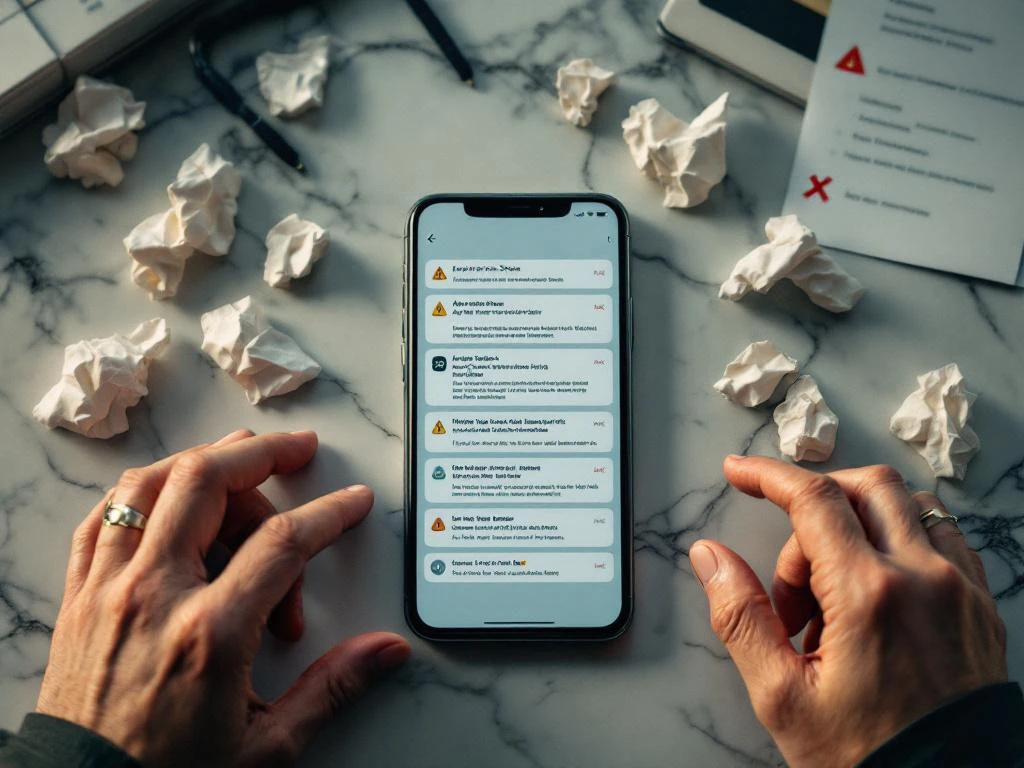
App Store Optimisation mistakes can devastate your app’s performance, turning what should be a powerful growth engine into an invisible presence in crowded app stores. Most companies unknowingly sabotage their own success by making fundamental ASO errors that directly impact visibility, download rates, and user acquisition. These mistakes range from poor keyword strategy to neglecting visual assets, each one creating barriers between your app and potential users. Understanding and avoiding these common pitfalls can dramatically improve your app’s organic reach and conversion rates.
1: Ignoring keyword research and optimisation
Many companies approach App Store Optimisation with a “build it and they will come” mentality, completely overlooking the importance of strategic keyword research. You might think your app’s functionality speaks for itself, but without proper keyword optimisation, potential users simply won’t find you in search results.
The most damaging approach involves using generic terms that thousands of other apps are competing for, or worse, stuffing keywords unnaturally throughout your app listing. This creates a poor user experience and can actually hurt your rankings. Instead, you need to research specific, relevant keywords that your target audience actually searches for.
Effective keyword strategy involves finding the sweet spot between search volume and competition. Look for terms that accurately describe your app’s core functionality while considering what problems your users are trying to solve. Tools can help identify these opportunities, but understanding your audience’s language and pain points remains the foundation of successful keyword optimisation.
2: Writing weak app titles and descriptions
Your app title and description serve as your first impression and sales pitch combined. Yet countless companies waste this prime real estate with vague, keyword-free titles that fail to communicate their value proposition clearly. A weak title not only hurts your search visibility but also confuses potential users about what your app actually does.
App descriptions suffer from similar problems when they focus on features rather than benefits, use technical jargon that alienates users, or bury important information in lengthy paragraphs. Remember, most users scan rather than read, so your description needs to communicate value quickly and clearly.
Your title should include your primary keyword while remaining readable and appealing to humans. The description should answer the user’s question “what’s in it for me?” within the first few lines. Use clear, benefit-focused language that explains how your app solves specific problems or improves the user’s life.
3: Using low-quality screenshots and visuals
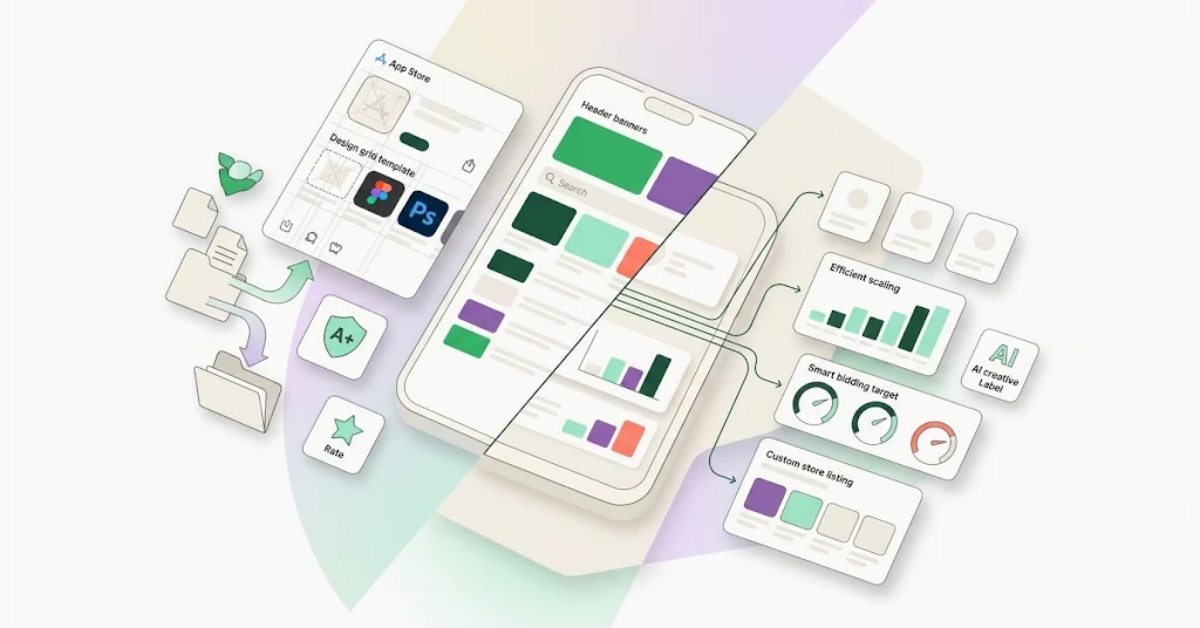
Visual assets often determine whether users download your app or scroll past it. Poor-quality screenshots, outdated visuals, or generic app icons create an immediate negative impression that’s difficult to overcome. Your screenshots need to showcase your app’s functionality and benefits in a way that’s immediately compelling.
Common visual mistakes include using actual device screenshots without any context, failing to highlight key features, or creating visuals that don’t match your app’s current design. These elements should work together to tell a story about your app’s value and user experience.
High-converting visuals combine beautiful design with clear functionality demonstrations. Show your app in action, highlight key features, and use text overlays to explain benefits. Consider your screenshots as a visual sales funnel that guides users from curiosity to download.
4: Choosing categories that hurt your app’s discoverability
App categorisation might seem straightforward, but choosing the wrong category can severely limit your app’s organic discovery potential. Many companies default to broad categories where competition is fierce, or select categories based on their internal perspective rather than user behaviour and search patterns.
The category you choose affects not only who finds your app but also how app stores evaluate and rank your performance. Being a small fish in a massive pond makes it much harder to gain visibility than finding the right niche where you can compete effectively.
Research your competitors and analyse where similar successful apps are positioned. Consider both primary and secondary categories, and think about user intent and behaviour when they’re browsing different sections. Sometimes a less obvious category choice can provide better visibility and more qualified traffic.
5: Neglecting app ratings and review management
App ratings and reviews directly influence both app store rankings and user conversion decisions, yet many companies treat this as a passive element, hoping for positive reviews without actively managing their reputation or responding to user feedback.
Ignoring negative reviews sends a message that you don’t care about user experience, while failing to implement rating prompts means you’re missing opportunities to collect positive feedback from satisfied users. This creates a skewed representation where only frustrated users leave reviews.
Develop a systematic approach to review management that includes responding to feedback professionally, implementing rating prompts at optimal moments in the user journey, and most importantly, using feedback to improve your app. Address common complaints in updates and show users that their input drives meaningful improvements.
6: Forgetting to localise for different markets
If you’re targeting multiple markets, failing to localise your app store listing represents a massive missed opportunity. Simply translating your English description often creates awkward, ineffective copy that doesn’t resonate with local audiences or account for cultural differences in communication styles.
Localisation goes beyond language translation to include understanding local search behaviour, cultural preferences, and market-specific pain points. What works in the Netherlands might not work in Germany, even when both audiences speak the same language fluently.
Effective localisation involves researching local keyword preferences, adapting your messaging to cultural communication styles, and sometimes even adjusting your visual assets to better appeal to regional preferences. This investment in localisation can significantly improve your conversion rates in international markets.
7: Skipping A/B testing for app store elements
Many companies treat their app store listing as a “set it and forget it” element, missing countless optimisation opportunities. Without testing different versions of your title, description, screenshots, or other elements, you’re essentially guessing what works best for your audience.
A/B testing reveals insights about user preferences that aren’t always obvious. Sometimes a small change in wording or visual presentation can dramatically impact conversion rates. The app stores provide tools for testing, yet most companies never take advantage of these opportunities.
Start with testing elements that have the biggest potential impact, such as your main screenshot or app title. Run tests long enough to gather statistically significant data, and implement changes systematically. Remember that what works for other apps might not work for yours, so rely on your own data rather than assumptions.
Turn your ASO strategy into sustainable app growth
Avoiding these common App Store Optimisation mistakes requires a systematic, data-driven approach rather than hoping for the best. Each element of your app store presence works together to create either a compelling user journey or a series of barriers that prevent downloads.
The most successful apps treat ASO as an ongoing process rather than a one-time setup. Regular optimisation, testing, and refinement based on performance data and user feedback create a foundation for sustainable growth. Your app store listing should evolve alongside your app and user needs.
Ready to transform your app’s performance with professional ASO expertise? We specialise in comprehensive App Store Optimisation strategies that address each of these common mistakes while building sustainable growth systems for your app. What’s the first ASO improvement you’ll implement for your app?
Frequently Asked Questions
How long does it take to see results from ASO improvements?
Most ASO changes show initial results within 2-4 weeks, but significant improvements typically take 6-12 weeks to fully materialise. Rankings and visibility changes happen gradually as app stores evaluate your optimisations, while conversion rate improvements from better screenshots or descriptions can be seen more quickly once users start interacting with your updated listing.
What's the biggest ASO mistake that kills app downloads?
Poor screenshot quality is often the most damaging mistake because it’s the first visual element users see when deciding whether to download. Even if you rank well for keywords, low-quality or confusing screenshots can destroy your conversion rate. Users make split-second decisions based on visuals, so investing in compelling, benefit-focused screenshots should be your top priority.
Should I focus on high-volume keywords or less competitive ones?
Target a mix of both, but prioritise less competitive, highly relevant keywords initially. High-volume keywords are extremely competitive and difficult to rank for without established authority. Start with long-tail, specific keywords that accurately describe your app’s functionality, then gradually work toward more competitive terms as your rankings improve.
How often should I update my app store listing?
Review and potentially update your listing every 4-6 weeks, but avoid making changes too frequently as this can disrupt your rankings. Focus on systematic improvements based on performance data rather than constant tweaking. Major updates should coincide with app releases, while minor optimisations can be tested through A/B testing tools provided by app stores.
What's the best way to encourage positive reviews without violating app store guidelines?
Implement smart rating prompts that appear after positive user interactions, such as completing a key action or achieving a milestone in your app. Time your prompts carefully—never interrupt critical workflows or ask immediately after app installation. Focus on improving user experience first, as genuinely satisfied users are more likely to leave positive reviews naturally.
Can I recover from choosing the wrong app category initially?
Yes, you can change your app category, but it may temporarily impact your rankings and visibility as app stores reassess your position. Research thoroughly before making the switch—analyse competitor categories, search behaviour in different sections, and consider seasonal trends. The temporary ranking dip is often worth it if you move to a more relevant, less competitive category.
How do I know if my ASO efforts are actually working?
Track key metrics including organic download growth, keyword ranking improvements, conversion rate changes, and search visibility increases. Use app store analytics tools to monitor these metrics consistently, and establish baseline measurements before implementing changes. Focus on trends over time rather than daily fluctuations, and correlate improvements with specific optimisation efforts to understand what’s driving results.
Related Articles
- How do I switch MMP providers safely for my app?
- How do you advertise an app on a limited budget?
- Can you advertise an app without using Google Ads?
- How do you advertise an app to reduce user churn?
- How do you advertise an app to build long-term brand awareness?
- How does A/B testing improve the way you advertise your app?
- What is the difference between iOS and Android A/B testing options?
- What makes a good app store icon?
- What is the difference between an app subtitle and short description?
- How often should you update your app store keywords?


 EN
EN  NL
NL