

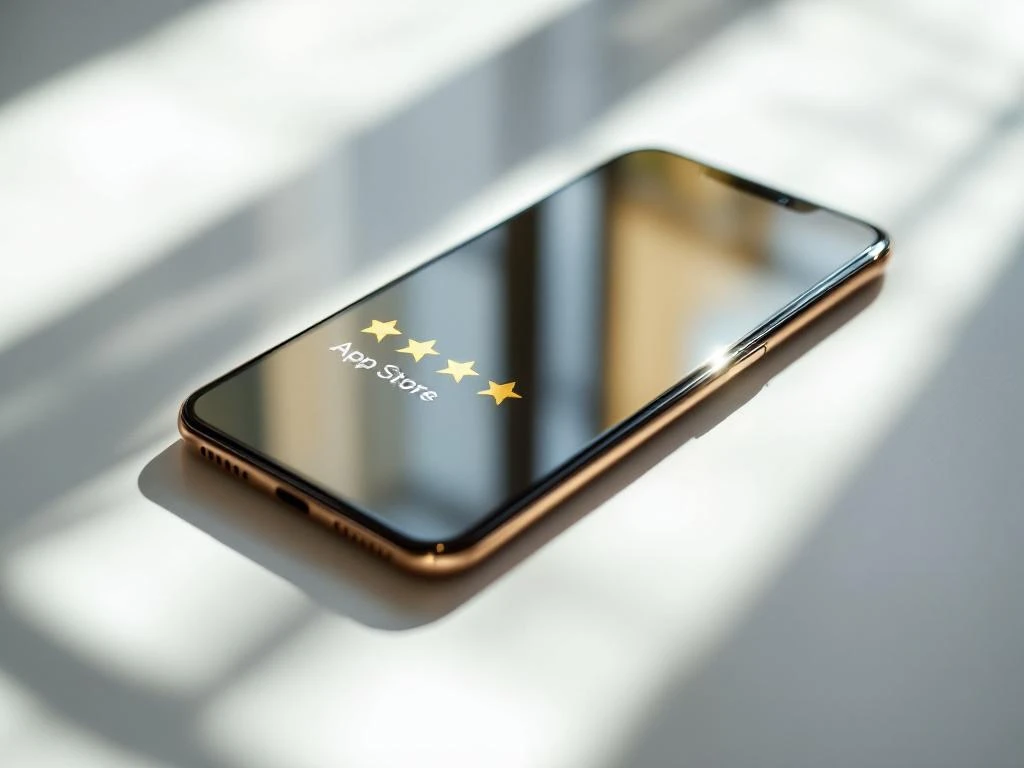
A good app store rating is 4.0 stars or higher, with ratings above 4.5 considered excellent. Most successful apps maintain ratings between 4.0 and 4.7 stars across both iOS and Android platforms. Ratings below 3.5 significantly impact downloads and app store visibility, while anything under 3.0 suggests serious user experience issues that need immediate attention.
What counts as a good app store rating in 2024?
In 2024, a rating of 4.0 stars or above represents a good app store rating that won’t hurt your download rates. Apps with ratings between 4.0 and 4.2 are considered acceptable, ratings from 4.3 to 4.5 are good, and anything above 4.5 is excellent.
The standards have become more demanding over the years. What counted as acceptable in 2015 (around 3.5 to 3.8 stars) now signals quality issues to potential users. Today’s app users expect polished experiences and have countless alternatives if your app doesn’t meet their standards.
Apps with ratings below 3.5 face significant challenges. These ratings create a negative first impression that’s hard to overcome, regardless of how good your app actually is. Users typically scroll past apps with low ratings, and app stores may reduce your visibility in search results and recommendations.
Why do app store ratings matter so much for your app’s success?
App store ratings directly influence both algorithmic rankings and user download decisions, making them one of the most important factors for app success. Higher ratings improve your app’s visibility in search results, category rankings, and featured sections across both iOS and Android platforms.
The psychological impact on users is immediate and powerful. When someone discovers your app, the rating is often the first thing they notice. A 4.5-star rating creates trust and encourages downloads, while a 3.2-star rating makes users hesitant and likely to look elsewhere.
App store algorithms use ratings as a quality signal when determining which apps to show in search results. Apps with consistently high ratings get more organic visibility, creating a positive cycle in which better ratings lead to more downloads, which can lead to more ratings.
Your rating also affects paid advertising effectiveness. Higher-rated apps typically see better conversion rates from app install campaigns because users are more confident in downloading an app that others have rated highly.
What’s the difference between iOS App Store and Google Play Store ratings?
iOS users tend to be slightly more generous with ratings, while Google Play users are more critical and more likely to leave detailed reviews explaining their ratings. This means you might see different rating patterns between platforms for the same app.
The rating systems work differently too. Apple’s App Store shows your current version rating prominently alongside your all-time rating, which means recent updates can quickly improve your visible rating. Google Play focuses more on recent ratings but doesn’t separate version ratings as clearly.
User behavior varies significantly between platforms. iOS users often rate apps after positive experiences or when prompted at strategic moments. Android users are more likely to rate apps when they encounter problems or want to provide feedback about specific features.
Both platforms have evolved their rating systems to fight fake reviews and manipulation, but they use different approaches. Understanding these differences helps you tailor your rating improvement strategies for each platform.
How do you improve your app’s rating without manipulating reviews?
Focus on improving the actual user experience rather than trying to game the system. Address the most common complaints mentioned in your negative reviews, fix bugs quickly, and make your app genuinely more useful and enjoyable to use.
Implement a smart review request strategy that asks satisfied users to rate your app. Timing matters enormously here—ask users after they’ve completed a positive action or achieved something meaningful in your app, not randomly or immediately after download.
Respond professionally to negative reviews, especially on Google Play where your responses are visible. Show that you care about user feedback and are actively working to resolve issues. This demonstrates to potential users that you’re committed to quality.
Improve your app’s onboarding process to reduce early negative ratings. Many poor ratings come from users who don’t understand how to use your app effectively. Clear onboarding reduces confusion and increases the likelihood of positive experiences.
Monitor your reviews regularly to identify patterns in user complaints. If multiple users mention the same issue, prioritize fixing it in your next update. Sometimes small improvements can have a big impact on user satisfaction and ratings.
When should you ask users to rate your app?
Ask for ratings after users have experienced clear value from your app, not immediately after installation or during frustrating moments. The best timing is after successful task completion, positive interactions, or when users demonstrate engagement through repeated usage.
Avoid asking new users to rate your app within the first session or two. They haven’t had enough time to form a meaningful opinion about your app’s value. Wait until they’ve used key features and had time to appreciate what your app offers.
Consider implementing a two-step rating process. Ask users if they’re enjoying the app first. If they respond positively, direct them to the app store. If they respond negatively, offer them a way to provide feedback directly to you instead of potentially leaving a poor public review.
Don’t ask repeatedly if users have already declined to rate your app. This creates annoyance and can actually lead to negative ratings. Respect their decision and focus on improving their experience instead.
Time your requests around moments of success or satisfaction—for example, after users complete their first successful transaction, finish a level, or achieve a personal goal within your app.
How do you recover from a low app store rating?
Recovery requires patience and systematic improvement because you need to earn enough new positive ratings to outweigh existing negative ones. Start by identifying and fixing the root causes mentioned in negative reviews, then consistently deliver better experiences to new users.
Release frequent updates that address user complaints and add requested features. Each update gives you an opportunity to re-engage users and potentially earn better ratings. Make sure your update notes clearly communicate improvements and fixes.
Focus heavily on new user acquisition and ensuring their experience is significantly better than what previous users experienced. New positive ratings will gradually improve your overall rating, but this process takes time and sustained effort.
Consider working with an App Store Optimization specialist who can help you develop a comprehensive strategy for rating recovery. We’ve helped many apps recover from poor ratings through systematic improvements to user experience, strategic review management, and optimized app store presence.
Be transparent about improvements in your app store description and update notes. Let potential users know you’ve addressed previous issues and are committed to providing a better experience. This honesty can help overcome the negative first impression of a low rating.
Frequently Asked Questions
How long does it typically take to see improvement in app store ratings after implementing changes?
Rating improvements usually take 2-4 weeks to become noticeable, depending on your app’s download volume and update frequency. Apps with higher daily downloads see changes faster, while smaller apps may need 1-2 months to accumulate enough new ratings to significantly impact their overall score.
Should I respond to every negative review, or only certain types?
Focus on responding to negative reviews that mention specific issues you can address, especially those with 2-3 stars where users seem willing to give your app another chance. Avoid responding to clearly fake reviews or extremely hostile 1-star reviews that offer no constructive feedback.
What's the minimum number of ratings needed before my app's rating becomes reliable?
Your app needs at least 50-100 ratings before the average becomes statistically meaningful and less volatile. With fewer ratings, a single negative review can dramatically impact your score, while apps with 500+ ratings have more stable and trustworthy averages.
Can I lose app store visibility if my rating drops below 4.0 temporarily?
Yes, both Apple and Google reduce search visibility for apps below 4.0 stars, but the impact isn’t immediate or permanent. If you quickly address issues and improve your rating back above 4.0 within a few weeks, you can recover most of your visibility without long-term damage.
What should I do if competitors are leaving fake negative reviews on my app?
Report suspicious reviews through the official channels (Apple’s Report a Problem or Google Play’s flag system) with specific evidence like review patterns or unrelated content. Both platforms actively investigate and remove fake reviews, but the process can take several weeks to complete.
How often should I update my app to maintain good ratings?
Release updates every 4-6 weeks to show active development and address user feedback consistently. However, focus on meaningful improvements rather than frequent minor updates, as too many updates can actually annoy users and lead to negative ratings.
Is it better to launch with fewer features and good ratings, or more features with potentially mixed ratings?
Launch with fewer, well-polished features to establish strong initial ratings above 4.0. It’s much easier to add features to a highly-rated app than to recover from poor initial ratings caused by buggy or confusing functionality.
Related Articles
- What should I expect from an MMP switch or implementation for apps?
- How accurate is Singular's attribution for app installs?
- How do I know if our app measurement setup is outdated?
- What is IDFA and how does it affect app tracking?
- Should you advertise your app before or after launch?
- 7 top mistakes when you advertise your app to avoid
- 7 best platforms to advertise your app for maximum ROI
- What is the difference between organic and paid app installs?
- What are in-app review prompts and how do they work?
- What is app store optimization?

 EN
EN  NL
NL