
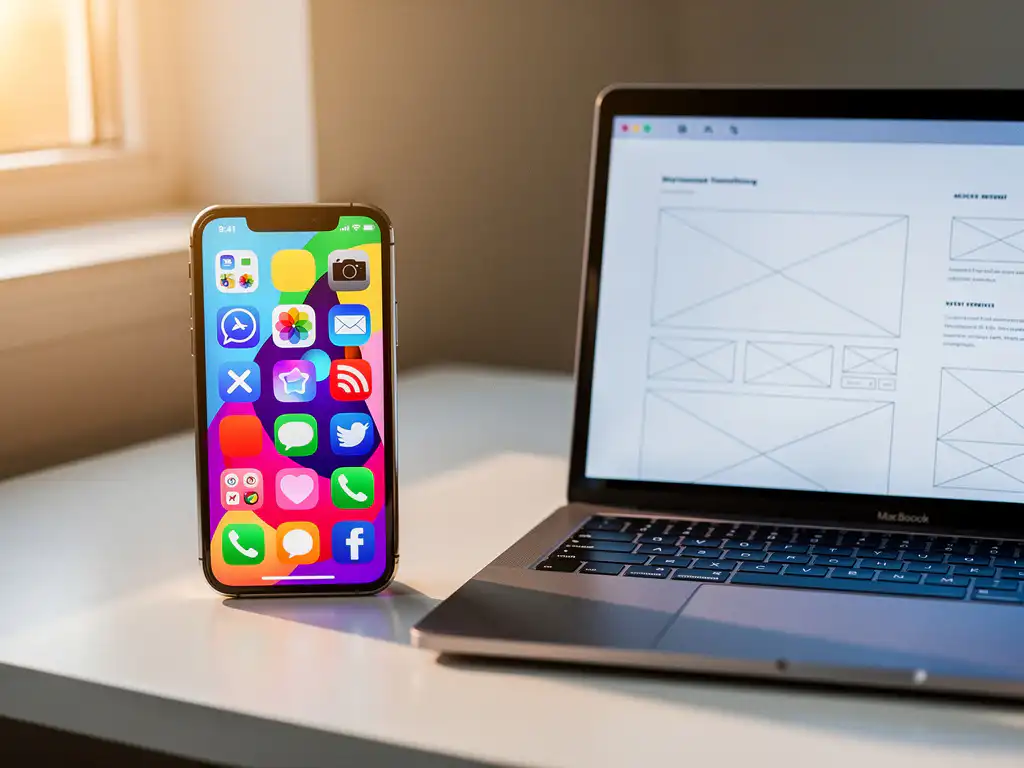
Landing pages serve as dedicated, focused destinations that bridge the gap between your app advertising campaigns and actual app downloads. Unlike generic app store pages, landing pages allow you to create targeted messaging that speaks directly to specific audiences and campaign goals. They provide complete control over the user experience, enabling you to optimize conversion rates and track campaign performance more effectively.
When you advertise your app through various channels such as social media, search engines, or display networks, landing pages act as the crucial conversion point where interested users decide whether to download your app. By creating tailored experiences that match your advertising message, you can significantly improve your campaign results and maximize your marketing investment.
What is a landing page, and why does it matter for app advertising?
A landing page is a standalone web page specifically designed to convert visitors from your advertising campaigns into app downloads. Unlike your main website or app store listing, landing pages focus on a single goal, with targeted messaging that matches your ad content.
Landing pages matter for app advertising because they give you complete control over the user journey. When someone clicks your ad, they arrive at a page you’ve optimized specifically for conversion rather than being sent directly to an app store, where competing apps and distractions can derail the download process. This controlled environment allows you to reinforce your value proposition, address potential concerns, and guide users toward downloading.
The importance extends beyond simple conversion optimization. Landing pages enable precise tracking of campaign performance, A/B testing of different messaging approaches, and personalization based on traffic sources. You can create different landing pages for different audience segments, ensuring your message resonates with each group’s specific needs and pain points.
How do landing pages improve app conversion rates?
Landing pages improve app conversion rates by eliminating distractions, maintaining message consistency, and providing targeted information that addresses specific user concerns. Studies show that dedicated landing pages typically convert 2 to 5 times better than sending traffic directly to app stores.
The conversion improvement comes from several factors. First, landing pages maintain messaging continuity from your ads, preventing the jarring experience users often face when clicking an ad about a specific feature only to land on a generic app store page. Second, you can optimize the page layout, copy, and call-to-action buttons specifically for conversion rather than working within app store constraints.
Landing pages also allow you to address objections and provide social proof at the moment users are deciding whether to download. You can include testimonials, feature highlights, screenshots, and even video demonstrations that directly support the claims made in your advertising. This additional context helps users feel confident about their decision to download, significantly reducing drop-off rates.
What’s the difference between app store pages and landing pages?
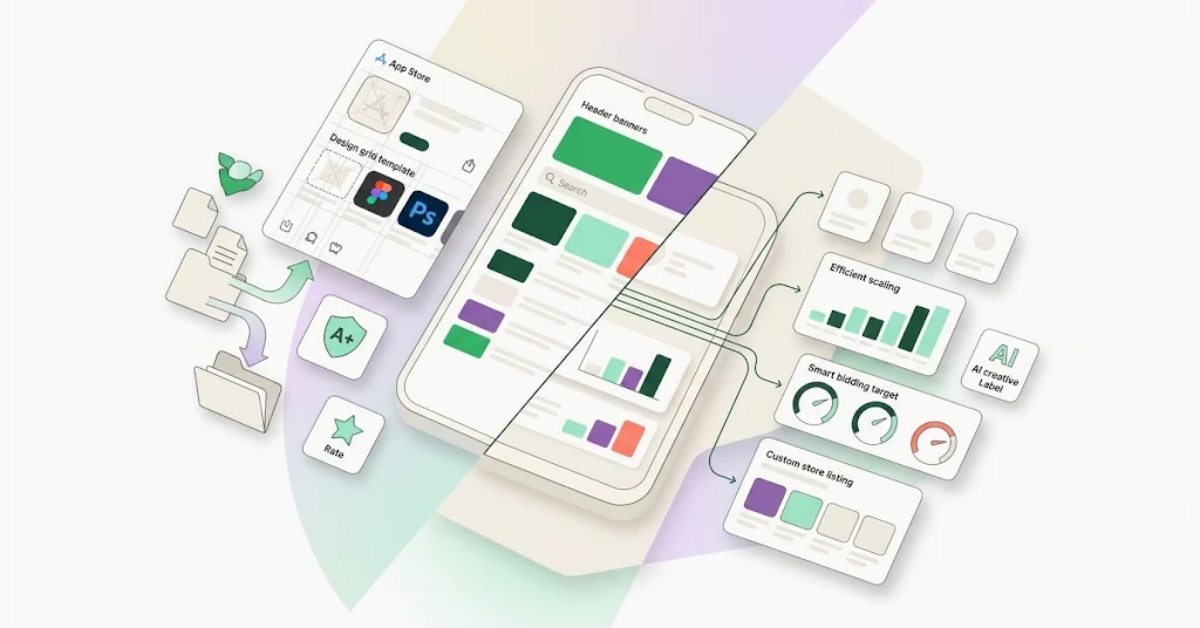
App store pages are standardized listings within the Apple App Store or the Google Play Store that follow platform-specific formats, while landing pages are custom web pages you create and control entirely. App store pages serve multiple audiences simultaneously, whereas landing pages target specific campaign audiences.
The key differences affect your advertising effectiveness in several ways. App store pages must follow strict guidelines about content, layout, and functionality set by Apple or Google. You cannot customize the user experience based on traffic source or add tracking pixels for detailed analytics. Additionally, app stores display competitor apps and suggestions that can distract users from your download goal.
Landing pages offer complete creative freedom. You can customize the design, messaging, and user flow to match your brand and campaign objectives. You can also implement advanced tracking, run A/B tests on different elements, and create multiple versions for different audience segments. This flexibility enables far more sophisticated marketing approaches than relying solely on app store optimization.
How do you create an effective app landing page?
Creating an effective app landing page requires focusing on a single, clear objective, maintaining visual and messaging consistency with your ads, and optimizing for mobile devices, where most users will view the page. The page should load quickly and guide users toward downloading without unnecessary friction.
Start with a compelling headline that reinforces your ad’s main promise, followed by a brief description of your app’s primary benefit. Include high-quality screenshots or a short demo video showing your app in action. Social proof elements such as user ratings, download numbers, or testimonials help build credibility and trust.
The technical aspects matter equally. Ensure fast loading times across all devices, implement proper app store linking that detects the user’s device type, and include clear, prominent download buttons. Consider the user’s context when arriving from different traffic sources and customize the experience accordingly. For example, users coming from a Facebook ad about a specific feature should see that feature prominently displayed on the landing page.
What types of app advertising campaigns benefit most from landing pages?
Paid search campaigns, social media advertising, and influencer partnerships benefit most from landing pages because these channels allow for targeted messaging that can be reinforced and expanded on a dedicated page. Campaigns targeting specific user segments or promoting particular app features see the greatest improvement.
Search campaigns perform exceptionally well with landing pages because users arrive with specific intent that you can address directly. Instead of sending someone searching for “budget tracking app” to a generic app store page, you can create a landing page that speaks directly to budget-tracking needs and showcases those features prominently.
Social media campaigns also see significant benefits because landing pages allow you to maintain the tone and style of your social content while providing more detailed information. Video ad campaigns, in particular, benefit from landing pages that can embed the same video content alongside additional context and clear download paths. Email marketing campaigns to existing audiences can use landing pages to highlight new features or updates that prompted the email campaign.
How do you track and measure landing page performance for apps?
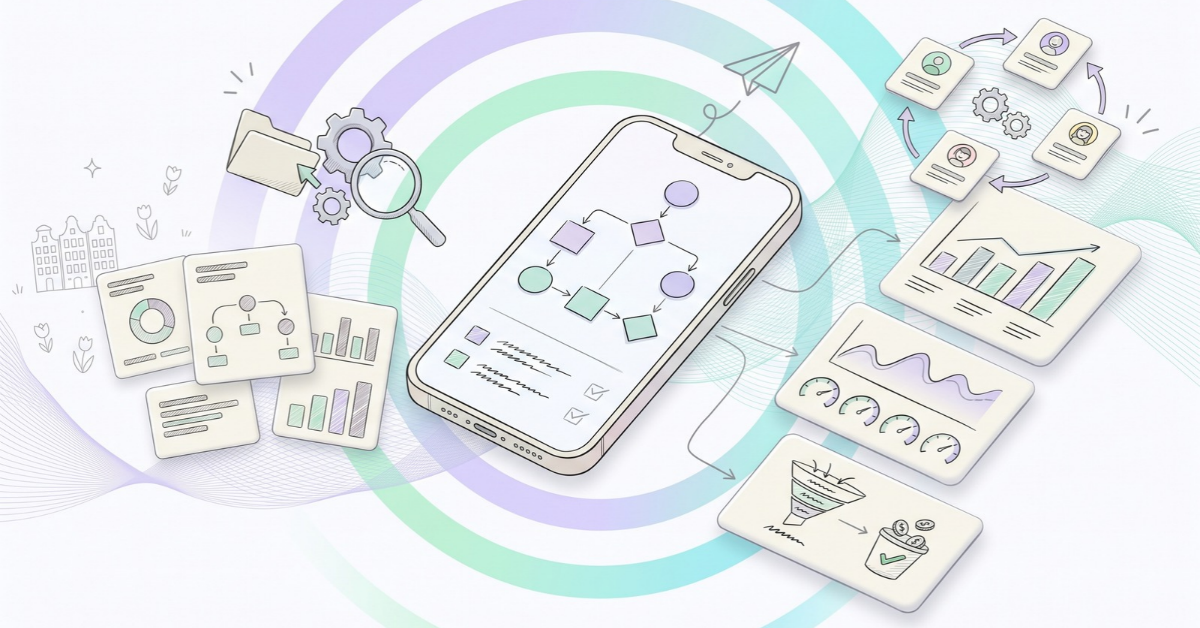
Track landing page performance using conversion-tracking pixels, UTM parameters, and app attribution platforms that connect landing page visits to actual app installs. Key metrics include conversion rate, cost per install, and post-install engagement rates to measure overall campaign effectiveness.
Set up comprehensive tracking by implementing analytics tools such as Google Analytics alongside app attribution platforms such as AppsFlyer or Adjust. These tools help you understand not just how many people visit your landing page, but how many actually download your app and what they do afterward. This complete picture allows you to optimize for high-quality users, not just download volume.
Monitor both immediate metrics such as page views, bounce rate, and time on page, as well as downstream metrics such as app install rates and user retention. A/B testing different page elements helps identify what drives better performance. Test headlines, images, call-to-action button colors, and page layouts to continuously improve your conversion rates.
When you’re ready to take your app advertising to the next level with professional landing page optimization and comprehensive user acquisition strategies, we offer specialized performance marketing services designed specifically for mobile apps. Our team combines landing page expertise with deep knowledge of app store dynamics to maximize your advertising investment and drive sustainable growth.
Frequently Asked Questions
How much should I budget for creating and testing app landing pages?
Budget allocation depends on your overall advertising spend, but typically allocate 10-15% of your campaign budget for landing page creation and testing. This includes design costs ($500-2000 for professional pages), A/B testing tools ($50-200/month), and ongoing optimization efforts. The ROI from improved conversion rates usually justifies this investment within the first month of implementation.
What are the most common mistakes that hurt app landing page conversions?
The biggest mistakes include slow loading times (over 3 seconds), unclear or multiple call-to-action buttons, and mismatched messaging between ads and landing pages. Other conversion killers include requiring form fills before downloads, not optimizing for mobile devices, and failing to include social proof or app screenshots that demonstrate value.
Should I create separate landing pages for iOS and Android users?
Yes, creating device-specific landing pages significantly improves conversion rates because you can customize app store buttons, showcase platform-specific features, and use appropriate design elements. Use device detection to automatically direct users to the right version, or create unified pages with smart buttons that detect the user’s device and link to the correct app store.
How do I handle users who visit my landing page but don't download immediately?
Implement retargeting pixels to create custom audiences of landing page visitors for follow-up campaigns. Set up email capture with incentives for users who show interest but don’t convert immediately. You can also use exit-intent popups offering additional information or limited-time promotions to capture hesitant users before they leave.
What's the ideal length for an app landing page?
Most effective app landing pages are concise, typically requiring 2-3 scrolls on mobile devices. Focus on above-the-fold content that includes your main value proposition, key app screenshots, and download button. Below-the-fold sections can include additional features, testimonials, and FAQ content, but avoid overwhelming users with excessive information that delays their decision-making process.
How quickly should I expect to see results from implementing landing pages?
You should see immediate improvements in tracking and user experience, with conversion rate improvements typically visible within 1-2 weeks of implementation. Significant performance gains usually emerge after 2-4 weeks of A/B testing and optimization. The most substantial results come after 1-2 months when you’ve gathered enough data to make informed optimization decisions and refined your targeting approach.
Related Articles
- How do I audit my app's tracking and attribution setup?
- 5 signs your app attribution data is wrong
- How did iOS14 impact app attribution?
- 5 essential steps to advertise your app before launch day
- How do you advertise an app using performance-based marketing?
- How do you advertise an app while staying compliant with iOS privacy changes?
- How do you advertise an app in the Dutch market?
- How do screenshots impact app store conversions?
- 8 best practices for app store keyword optimization
- What is keyword density in app store optimization?

 EN
EN  NL
NL