
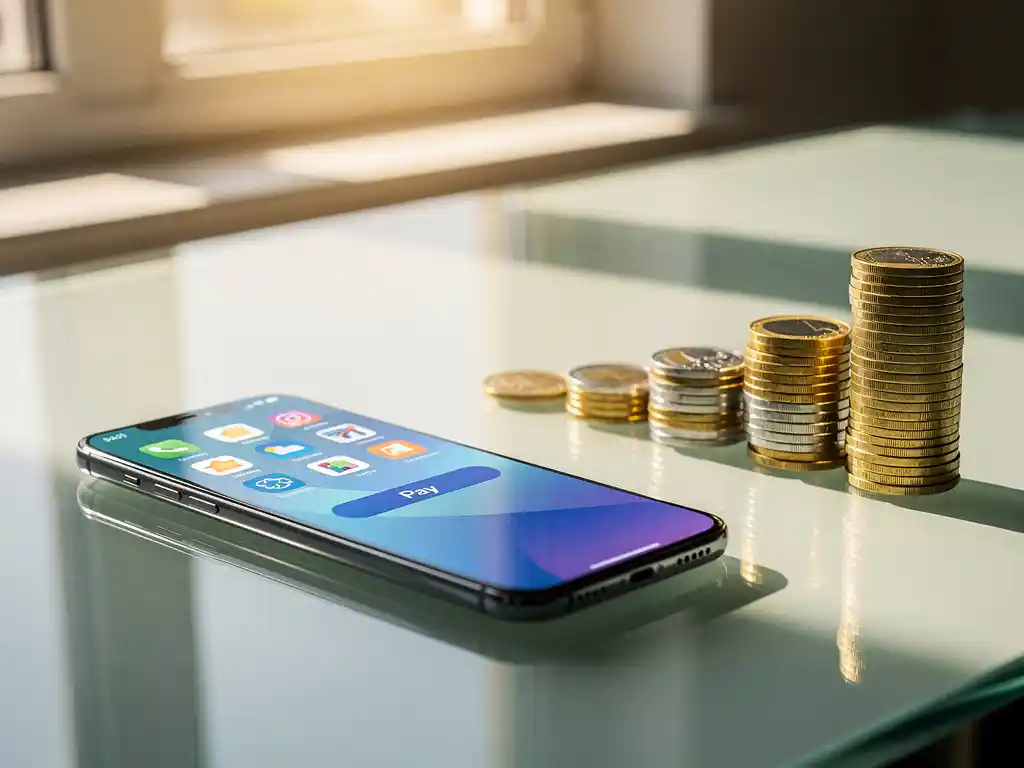
A CPI (cost per install) model is a performance-based advertising approach in which you pay only when someone downloads and installs your app. Unlike traditional advertising, where you pay for impressions or clicks, CPI ensures you invest your budget directly in acquiring new users who have taken the most important action: installing your app.
This model has become increasingly popular among app marketers because it provides clear, measurable results and eliminates the risk of paying for traffic that doesn’t convert. Whether you’re launching a new app or scaling an existing one, understanding how CPI works can help you make smarter advertising decisions and maximize your user acquisition budget.
What is a CPI model in app advertising?
A CPI (cost per install) model is a mobile advertising pricing structure in which advertisers pay a fixed amount each time a user downloads and installs their app. Payment occurs only after the installation is completed and verified, making it a performance-based approach that directly ties costs to results.
This model differs from other advertising approaches because it focuses exclusively on the end goal: getting your app installed on users’ devices. Instead of paying for ad views, clicks, or other engagement metrics, you invest directly in new app users. The CPI model typically ranges from $0.50 to $5.00 per install, depending on factors such as your app category, target audience, geographic location, and competition level.
CPI campaigns run across various advertising platforms and networks, allowing you to reach potential users through display ads, video content, social media promotions, and search ads. The key advantage is that you know exactly what each new user costs, making budget planning and ROI calculations straightforward.
How does the CPI pricing model work?
The CPI pricing model operates on a simple transaction: you set a maximum price you’re willing to pay for each app install, and the advertising platform charges you that amount when someone successfully downloads and installs your app. The process involves real-time bidding and attribution tracking to ensure accurate billing.
Here’s how the process typically unfolds: First, you create your ad campaign and set your target CPI bid. When users see your ad and tap it, they’re directed to the app store. If they download and install your app, the advertising platform registers this as a conversion and charges you the agreed-upon CPI amount. Advanced attribution systems track this entire journey to prevent fraud and ensure accurate reporting.
Most platforms use a bidding system in which your CPI bid competes against other advertisers targeting similar audiences. Higher bids generally result in more ad placements and installs, but you’ll also want to consider the quality of the users you’re acquiring. The platform’s algorithm considers factors such as your bid amount, ad relevance, and historical performance to determine when and where to show your ads.
What’s the difference between CPI and other app advertising models?
CPI differs from other advertising models by focusing exclusively on completed app installs rather than intermediate actions such as impressions, clicks, or engagements. While CPM (cost per mille) charges for every 1,000 ad views and CPC (cost per click) charges for each ad tap, CPI charges only when users actually install your app.
The main distinction lies in risk distribution and campaign objectives. With CPM and CPC models, you pay for exposure and traffic but have no guarantee that users will install your app. These models work well for brand awareness campaigns but can result in wasted spend if your app store listing doesn’t convert visitors effectively.
CPA (cost per action) models are similar to CPI but typically focus on post-install actions such as registrations, purchases, or subscriptions. While CPI gets users through the door, CPA ensures they take valuable actions within your app. Some advertisers combine both approaches, using CPI for initial user acquisition and CPA for engaging high-value users who complete specific in-app events.
How much does CPI advertising typically cost?
CPI advertising costs typically range from $0.50 to $5.00 per install, with significant variation based on your app category, target market, and campaign quality. Gaming apps often see lower CPIs around $1–$2, while finance and business apps may cost $3–$5 per install due to higher user lifetime values and increased competition.
Geographic targeting heavily influences CPI costs. Tier 1 markets such as the United States, the United Kingdom, and Germany command premium prices, often $2–$4 per install, while emerging markets might offer installs for $0.30–$1.00. Your target audience demographics also affect pricing, with younger users typically costing less than professionals or high-income segments.
App store placement affects costs as well. iOS installs generally cost 20%–40% more than Android installs due to higher user spending patterns and increased competition. Seasonal factors play a role, too, with costs rising during holiday periods and major shopping events, when user acquisition competition intensifies across all app categories.
Which platforms offer CPI advertising for mobile apps?
Major advertising platforms that offer CPI campaigns include Google Ads, Meta (Facebook and Instagram), Apple Search Ads, TikTok for Business, and specialized mobile ad networks such as Unity Ads, ironSource, and Chartboost. Each platform provides different audience reach, targeting options, and cost structures for app promotion.
Google Ads offers CPI campaigns through Google Play and YouTube, allowing you to reach Android users across search results, apps, and video content. Apple Search Ads focuses exclusively on iOS users browsing the App Store, providing highly targeted placement when people search for apps similar to yours. These platform-specific options often deliver higher-quality users because they target people who are already in an app-discovery mindset.
Social media platforms such as Meta and TikTok excel at reaching specific demographics and interest groups through engaging video and image content. Mobile ad networks specialize in app-to-app advertising, showing your promotions within other mobile apps and games. Many successful campaigns combine multiple platforms to diversify traffic sources and optimize for different user segments and behaviors.
How do you optimize CPI campaigns for better performance?
Optimizing CPI campaigns requires focusing on three areas: targeting the right audience, creating compelling ad creative, and continuously testing different approaches. Start by analyzing your existing user base to identify demographics, interests, and behaviors that correlate with high app engagement and retention rates.
Your ad creative significantly affects both CPI costs and user quality. Video ads typically outperform static images for app promotion, especially when they showcase actual app functionality rather than generic marketing messages. Test different creative formats, messaging angles, and calls to action to identify what resonates with your target audience. Clear value propositions and authentic app screenshots often generate better results than flashy graphics.
Campaign optimization involves regular monitoring and adjustment of targeting parameters, bid amounts, and budget allocation. Focus on platforms and audience segments that deliver users with strong retention rates and in-app engagement, even if their CPI costs slightly more. Consider implementing post-install tracking to measure user quality beyond installation numbers. At Wuzzon, we help clients optimize their performance marketing campaigns across multiple platforms, ensuring cost-effective user acquisition that drives long-term app growth and maximizes return on advertising investment.
Frequently Asked Questions
How long should I run a CPI campaign before making optimization decisions?
Run your CPI campaign for at least 3-7 days to gather sufficient data before making major changes. You need enough installs (typically 50-100 minimum) to identify meaningful patterns in user behavior and campaign performance. However, if you’re seeing extremely high costs or very low install rates after 24-48 hours, you can make initial adjustments to targeting or creative elements.
What's the difference between organic installs and CPI installs in terms of user quality?
Organic installs often show higher engagement and retention rates because users discovered your app naturally, indicating stronger initial interest. CPI installs may have slightly lower retention rates initially, but well-targeted campaigns can deliver users with comparable long-term value. The key is optimizing your CPI campaigns for quality metrics beyond just install volume, such as day-7 retention or in-app engagement.
Should I start with a high CPI bid to get faster results or begin with lower bids?
Start with competitive bids slightly above the platform’s suggested range to ensure your ads get sufficient exposure for testing. Beginning too low may result in limited ad delivery and inconclusive data. Once you identify well-performing audience segments and creative combinations, you can gradually lower bids while maintaining install volume and quality.
How do I prevent install fraud in my CPI campaigns?
Use reputable advertising platforms with built-in fraud detection systems and implement third-party attribution tools like AppsFlyer or Adjust for additional verification. Monitor for suspicious patterns such as unusually high install rates from specific regions, immediate uninstalls, or users who never open the app. Set up post-install event tracking to identify real user engagement versus fraudulent installs.
What post-install metrics should I track to measure CPI campaign success?
Focus on day-1, day-7, and day-30 retention rates, along with key in-app actions like account registration, tutorial completion, or first purchase. Calculate the lifetime value (LTV) of users acquired through each campaign to determine if your CPI costs are sustainable. Also track app store ratings and reviews, as low-quality traffic can negatively impact your app’s reputation and organic discovery.
Can I run CPI campaigns for apps that aren't yet published in app stores?
No, you cannot run CPI campaigns for unpublished apps since the payment model requires actual app store installations. However, you can prepare by creating and testing ad creative, researching competitor CPIs, and setting up attribution tracking. Consider running pre-launch awareness campaigns using CPM or CPC models to build anticipation, then switch to CPI once your app is live in the stores.
How do I calculate the maximum CPI I should bid for my app?
Calculate your maximum CPI by determining your user lifetime value (LTV) and desired return on ad spend (ROAS). If your average user generates $10 in revenue and you want a 3:1 ROAS, your maximum CPI should be around $3.33. Factor in organic growth from referrals and word-of-mouth, which can increase the effective value of each acquired user beyond their direct contribution.
Related Articles
- 6 ways to future-proof your app measurement setup
- 5 ways to identify your most profitable app ad channel
- Can you advertise an app without using Google Ads?
- How do you advertise an app using TikTok effectively?
- How do you advertise an app to reduce user churn?
- How does A/B testing work in the app store?
- What is a good app store rating?
- How do app store ratings affect rankings?
- 7 common app store optimization mistakes companies make
- What is localized keyword research for app stores?




 EN
EN  NL
NL